

It is imperative to acknowledge that artificial intelligence (AI) has reached a turning point, becoming a pivotal force shaping our present and future. With rapid advancements in technology, AI is no longer just a futuristic concept but a powerful tool transforming industries and society. From autonomous vehicles to personalized healthcare, AI’s influence is expanding at an unprecedented rate, offering both unprecedented opportunities and challenges. In this blog post, we will investigate into the current state of AI, exploring its impact on various sectors and forecasting what the future may hold as we embrace the age of AI.
Key Takeaways:
- AI adoption accelerating: Businesses are increasingly implementing AI solutions to drive efficiency, improve customer experiences, and gain a competitive edge in the market.
- Emerging AI trends: Technologies such as machine learning, natural language processing, and computer vision are poised to revolutionize industries ranging from healthcare to finance.
- Ethical considerations: As AI becomes more pervasive, ensuring data privacy, transparency, and accountability in AI systems is crucial to building trust and maintaining ethical standards.
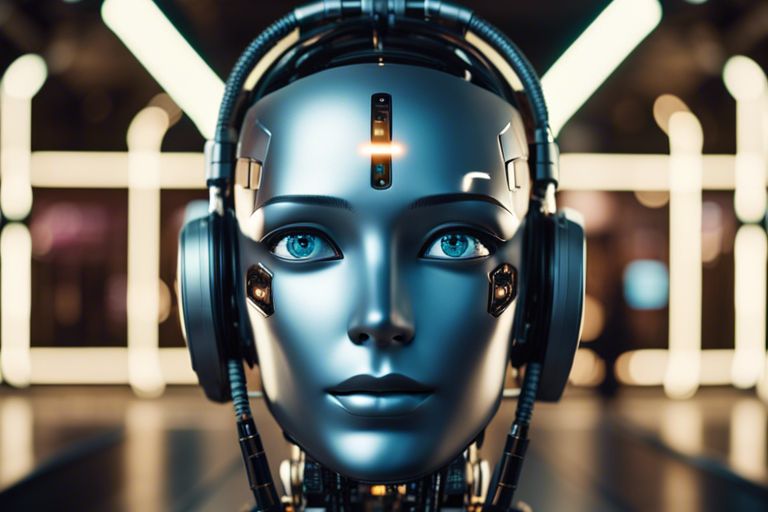
The Current State of AI
AI in Business and Economy
One of the most significant impacts of artificial intelligence in the present day is its widespread adoption in business and economy. For businesses, AI technologies like machine learning and natural language processing are revolutionizing operations, improving efficiency, and driving innovation. Companies are leveraging AI to optimize processes, personalize customer experiences, and make data-driven decisions. The economic landscape is being reshaped as AI enables cost savings, revenue increase, and competitive advantages.
AI in Healthcare and Life Sciences
One area where AI is making a profound impact is in healthcare and life sciences. For healthcare providers, AI tools are enhancing diagnostics, treatment planning, and patient care. From predictive analytics to image recognition, AI is helping to accelerate research, improve outcomes, and reduce costs. In life sciences, AI is transforming drug discovery, genomics, and personalized medicine. The potential for AI to revolutionize healthcare delivery and improve patient outcomes is immense.
State Artificial intelligence is rapidly advancing, with breakthroughs in machine learning, neural networks, and deep learning pushing the boundaries of what is possible. The integration of AI into various industries is transforming the way businesses operate, healthcare is delivered, and economies grow. However, concerns about data privacy, algorithmic bias, and job displacement persist. As AI continues to evolve, it is crucial for organizations and policymakers to navigate these challenges while harnessing the immense potential of AI for the betterment of society.

Transformative Technologies
Machine Learning and Deep Learning
There’s no denying that machine learning and deep learning have revolutionized the way we approach data analysis and decision-making. Machine learning algorithms are designed to learn from data and improve over time without being explicitly programmed. Deep learning, a subset of machine learning, involves artificial neural networks that mimic the way the human brain works, enabling machines to process data in a layered and complex manner. These technologies have enabled significant advances in various fields, from healthcare to finance, and are set to shape the future of AI.
Natural Language Processing and Robotics
With the rapid advancements in natural language processing and robotics, the way we interact with machines is undergoing a profound transformation. Natural language processing enables computers to understand, interpret, and generate human language, making it possible for us to communicate with machines in a more natural way. Robotics, on the other hand, involves the design and creation of robots that can assist humans in various tasks, from household chores to complex surgeries. These technologies hold immense potential for improving efficiency and productivity across industries.
Machine learning and deep learning algorithms are at the core of many natural language processing applications, enabling machines to analyze and respond to human language data effectively. This capability is paving the way for virtual assistants, chatbots, and other AI-driven communication tools that are becoming increasingly integrated into our daily lives. The convergence of these technologies is leading to more personalized and intuitive interactions between humans and machines, setting the stage for a future where AI plays an even more integral role in our society.
Ethical Implications and Future Challenges
AI and Privacy Concerns
To address the concerns of privacy in Artificial Intelligence, it is crucial for developers and organizations to implement stringent measures to safeguard data. Privacy breaches can lead to severe ramifications, including identity theft, financial loss, and breaches of confidentiality. AI systems must prioritize data protection through anonymization techniques, secure storage protocols, and regular audits to ensure compliance with privacy regulations.
Regulation and Future Governance
Concerns surrounding the regulation and future governance of AI technologies have gained prominence as the capabilities of these systems continue to evolve. The establishment of clear guidelines and policies is imperative to mitigate potential risks and ensure ethical use. Regulation should be designed to promote innovation while upholding ethical standards, fostering a transparent and accountable environment for the development and deployment of AI solutions.
Gazing into the Crystal Ball
Predicting AI Trends
Many experts in the field of artificial intelligence are constantly gazing into the crystal ball, trying to predict the next big trends that will shape the future of AI. From advancements in machine learning to the integration of AI in various industries, the possibilities seem endless.
Preparing for an AI-dominated Future
Ball businesses and individuals alike must start preparing for an AI-dominated future. From upskilling employees to developing AI strategies for their organizations, the time to adapt is now. The rise of AI will bring significant changes to the workforce and the economy as a whole.
This shift towards an AI-dominated future will revolutionize industries, making processes more efficient, improving decision-making capabilities, and creating new opportunities for growth. However, businesses and individuals must also be wary of the potential job displacement, data privacy concerns, and ethical implications that come with the increased adoption of AI technology.
Conclusion
Ultimately, the time for AI is now, as it has become an inseparable part of our present and will continue to shape our future. The insights gained from its current applications offer a glimpse into the vast possibilities and potential advancements that AI can bring to various industries and aspects of our lives. Embracing this technology and understanding its capabilities will be crucial in navigating the opportunities and challenges that lie ahead, making it crucial to harness AI’s power effectively and responsibly in order to drive innovation and progress in the years to come.
FAQ
Q: What is the significance of AI’s Time is Now – Insights into the Present and Future?
A: This book offers comprehensive insights into the current landscape and future prospects of artificial intelligence, providing valuable information for anyone interested in understanding the advancements and implications of AI technologies.
Q: Who would benefit from reading AI’s Time is Now – Insights into the Present and Future?
A: Both professionals working in the AI industry and individuals seeking to enhance their knowledge about AI would greatly benefit from this book. It caters to a wide range of audiences, from beginners to experts in the field.
Q: What sets AI’s Time is Now – Insights into the Present and Future apart from other books on artificial intelligence?
A: This book distinguishes itself by offering up-to-date insights, real-world examples, and thought-provoking discussions on the present and future applications of AI. It combines technical expertise with practical relevance, making it a valuable resource for anyone looking to stay informed about AI trends.
Comments