
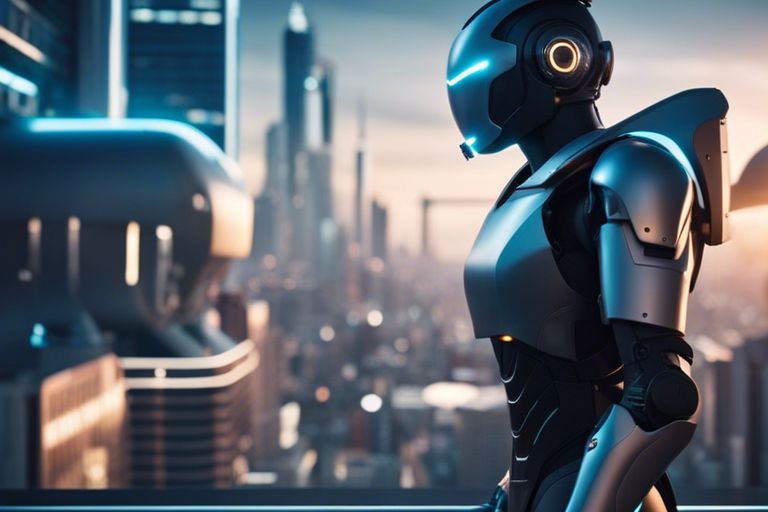
There’s no denying the impact AI is having on our world today. From virtual assistants like Siri and Alexa to self-driving cars and advanced medical diagnostics, artificial intelligence is reshaping industries and transforming the way we live and work. However, with this rapid advancement comes both opportunities and challenges. As we examine deeper into the realms of machine learning and deep learning, it’s crucial to understand how today’s AI technology is shaping the future, for better or for worse. Join us as we explore the reality of AI and how it’s shaping tomorrow.
Key Takeaways:
- The pervasive nature of AI: AI technology is becoming increasingly integrated into various aspects of our lives, from virtual assistants to personalized recommendations.
- Ethical considerations: The development and deployment of AI raise important ethical questions around privacy, bias, and accountability that need to be addressed.
- The future impact of AI: As AI continues to advance, we can expect significant changes in industries, job markets, and societal norms, requiring us to adapt and prepare for a more AI-driven future.

The Impact of AI on Society
Workforce Transformation
Little by little, AI is transforming the workforce as we know it. With the rise of automation and machine learning, certain jobs are becoming obsolete while new roles are being created. This rapid transformation presents both challenges and opportunities for society.
Ethical Considerations
Little by little, we are beginning to understand the ethical considerations that come with the integration of AI into our daily lives. From issues surrounding privacy and data protection to the potential for AI bias and discrimination, there are significant ethical implications to consider.
For instance, one of the most dangerous aspects of AI is its potential to perpetuate existing biases and inequalities. If not properly regulated and monitored, AI systems can inadvertently reflect and amplify societal prejudices, leading to discriminatory outcomes. On the other hand, positive aspects include the ability of AI to enhance decision-making processes, improve efficiency, and drive innovation in various industries.
AI Advancements and Innovations
Machine Learning Breakthroughs
One of the most significant advancements in AI in recent years has been in the field of machine learning. With the development of deep learning algorithms, machines are now able to process and analyze massive amounts of data more efficiently than ever before. This has led to breakthroughs in various fields such as healthcare, finance, and autonomous driving.
Robotics and Automation
Machine learning has paved the way for advancements in robotics and automation. Innovations such as autonomous drones, self-driving cars, and robotic surgeries are revolutionizing industries and improving efficiency. Robotics and automation not only streamline processes but also have the potential to significantly reduce human error, increase productivity, and save lives.

AI in Everyday Life
Smart Home Devices
Everyday, individuals are turning to smart home devices to enhance their living spaces. These devices, powered by AI technology, offer convenience and automation like never before. From voice-controlled assistants that adjust lighting and temperature, to security systems that learn your habits and alert you to any unusual activity, smart home devices are reshaping the way we interact with our homes.
Personal Assistants and Entertainment
Personal assistants like Alexa and Google Assistant have become integral parts of our everyday routines, providing us with information, reminders, and entertainment at our command. Whether it’s setting reminders, asking for the weather forecast, or playing your favorite song, personal assistants streamline tasks and make life more convenient.
Understanding the capabilities of personal assistants is crucial for consumers. These devices are constantly learning from our interactions, which can be both convenient and a potential privacy concern. With the ability to access a vast amount of personal information, users must be mindful of the data they share and adjust privacy settings accordingly. However, the entertainment and efficiency benefits they offer are undeniable.
The Future of AI
Predicting the Next Decade
Many experts in the field of artificial intelligence predict significant advancements in the next decade. From improved natural language processing to more advanced autonomous vehicles, the possibilities seem endless. AI is set to revolutionize various industries, from healthcare to finance, making processes more efficient and accurate.
Long-term AI Projections and Possibilities
For long-term AI projections and possibilities, the future holds even more fascinating developments. With ongoing research and advancements in AI, the potential applications can revolutionize society as we know it. Automation of mundane tasks, personalized healthcare, and predictive analytics are just a few possibilities that await us in the future.
For instance, the integration of AI in healthcare could lead to more accurate diagnoses and personalized treatment plans, ultimately saving lives. However, concerns about job displacement and ethical considerations should also be taken into account as AI continues to advance.
Final Words
Now, it is evident that the reality of AI is a powerful force that is shaping the world we live in and will continue to do so in the future. Today’s technology has proven to have a significant impact on various aspects of our lives, from communication to healthcare, transportation to finance. As we navigate through this era of rapid technological advancements, it is crucial to understand the potential and limitations of AI while also considering the ethical and societal implications. By staying informed and engaging in ongoing dialogues, we can ensure that AI technology is harnessed for the greater good and continues to shape a brighter tomorrow.
FAQ
Q: What is AI and its role in shaping the future?
A: AI, or Artificial Intelligence, refers to the development of computer systems that can perform tasks that normally require human intelligence, such as visual perception, speech recognition, decision-making, and language translation. AI technologies are shaping the future by revolutionizing industries, enhancing productivity, and enabling new possibilities across various sectors.
Q: How does AI impact society and economy?
A: AI has a profound impact on society and the economy by transforming the way we live and work. It enables automation of tasks, improves efficiency, and enhances decision-making processes. However, AI also raises concerns about job displacement, data privacy, and ethical considerations. Balancing the benefits and challenges of AI is crucial for its responsible deployment and integration into society.
Q: What are the potential risks and benefits of AI technology?
A: The benefits of AI technology include increased efficiency, improved accuracy, enhanced productivity, and innovation across industries. However, there are risks associated with AI, including bias in algorithms, job displacement, cybersecurity threats, and ethical concerns surrounding autonomy and accountability. It is necessary to address these challenges through ethical guidelines, regulations, and responsible AI development practices.
Comments