

Uncover the evolution of artificial intelligence from the Turing Test to Deep Learning in a fascinating historical journey on AI.

Table of Contents
Artificial Intelligence, or AI, has become a ubiquitous term in our modern world. But its roots trace back to the early days of computing and theoretical research on thinking machines. In this blog post, we will delve into the history, applications, benefits, challenges, ethical concerns, and future direction of AI.
Introduction to AI
At its core, AI refers to the simulation of human intelligence processes by machines. This can include learning, reasoning, problem-solving, perception, and linguistic abilities. The concept of AI has intrigued researchers and engineers for decades, with early thinkers envisioning a future where machines could replicate cognitive functions.
Historical Context
The history of AI can be traced back to the 1950s when pioneers like Alan Turing and John McCarthy laid the groundwork for the field. The Turing Test, proposed by Turing in 1950, aimed to determine a machine’s ability to exhibit intelligent behavior equivalent to, or indistinguishable from, that of a human.
Current Applications
In today’s world, AI has permeated various aspects of society, from virtual assistants like Siri and Alexa to recommendation systems on streaming platforms like Netflix. Additionally, industries such as healthcare, finance, and transportation are leveraging AI for predictive analytics and decision-making.

Image courtesy of www.linkedin.com via Google Images
Benefits of AI
The benefits of AI are vast and impactful. AI technologies enable automation, improve efficiency and accuracy in tasks, and pave the way for breakthroughs in fields like medicine and scientific research. In healthcare, AI algorithms can analyze medical images for early detection of diseases, leading to better patient outcomes.
Challenges in AI
However, with great power comes great responsibility. Ethical concerns surrounding AI include issues of bias in algorithms, data privacy, and the potential loss of jobs due to automation. It is crucial for developers and policymakers to address these challenges to ensure AI technologies are deployed ethically.
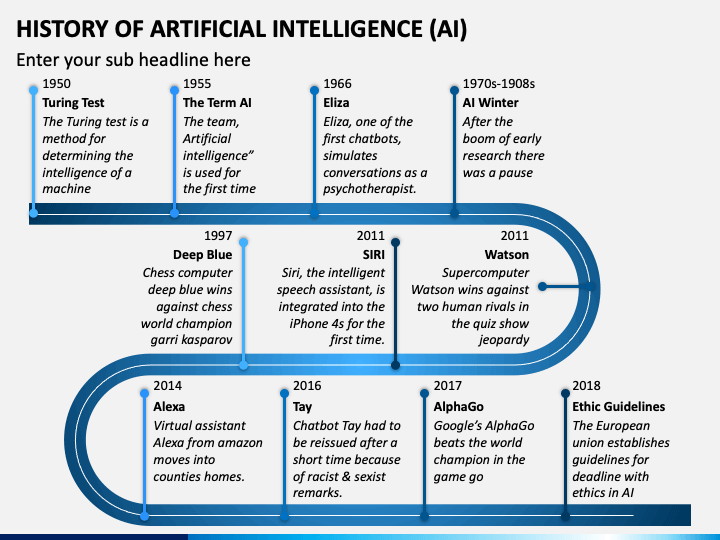
Image courtesy of anjireddy-kata.medium.com via Google Images
Ethical Concerns
One pressing ethical concern in AI is the use of personal data and the implications for privacy. As AI systems collect and analyze vast amounts of data from users, there is a risk of infringing on individual privacy rights. Additionally, bias in AI algorithms can perpetuate existing inequalities and discriminatory practices.
Future Direction of AI
The future of AI holds tremendous potential for further advancements. Predictions for AI include more sophisticated natural language processing, enhanced robotics, and the development of general artificial intelligence that can adapt to various tasks and scenarios. As AI continues to evolve, its societal impacts will be closely monitored.

Image courtesy of digitalwellbeing.org via Google Images
Can Skynet Happen?
The concept of Skynet, popularized by the Terminator movies, envisions a scenario where a superintelligent AI system takes control and poses a threat to humanity. While the likelihood of such a doomsday scenario is currently low, it is essential to implement safeguards and regulations to prevent the misuse of AI technology.
Preventing Skynet Scenario
To prevent a Skynet-like scenario, ethical guidelines for AI development must prioritize human oversight and control. Implementing transparency measures in AI systems, ensuring accountability for decision-making processes, and fostering interdisciplinary collaboration in AI research are crucial steps to mitigate potential risks.

Image courtesy of digitail.com via Google Images
Conclusion
In conclusion, the world of artificial intelligence is vast and ever-evolving, with a rich history, diverse applications, and ethical considerations that shape its future trajectory. By exploring the past, present, and future of AI, we can gain a deeper understanding of this transformative technology and its impact on society.
Generated by Texta.ai Blog Automation
Comments