

Uncover the fascinating history behind AI’s evolution and explore its advanced applications shaping our future in this informative post.

Table of Contents
Introduction to Artificial Intelligence
Artificial Intelligence, better known as AI, has taken the world by storm in recent years. Often referred to as the simulation of human intelligence by machines, AI has become a pivotal aspect of modern technology. Through algorithms and data, AI systems are designed to mimic human cognition by learning from patterns and adapting to new information. This has led to a wide range of applications across various industries, making AI one of the most revolutionary technologies of our time.
Historical Context of AI
AI has a rich history dating back several decades. The concept of AI was first introduced in the 1950s, when researchers aimed to create machines that could exhibit intelligent behavior. Over the years, AI technology has evolved significantly, with key milestones and breakthroughs shaping its development. From early symbolic reasoning systems to the rise of neural networks and machine learning, AI has come a long way to become the powerful tool it is today.
Current Applications of AI
Today, AI is being used in a wide range of applications across various industries. In healthcare, AI algorithms are being utilized to analyze medical images, diagnose diseases, and develop personalized treatment plans. In finance, AI-powered systems are used for fraud detection, risk analysis, and automated trading. Additionally, AI is revolutionizing transportation with self-driving cars and optimizing logistics operations with predictive analytics.
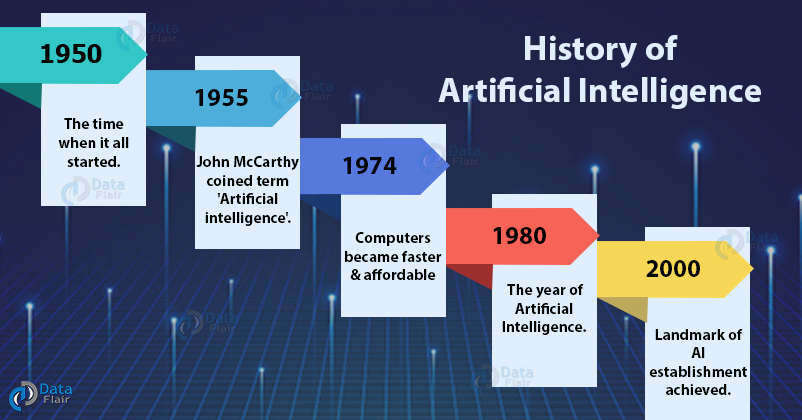
Image courtesy of data-flair.training via Google Images
Benefits of AI
The benefits of AI are vast and far-reaching. One of the main advantages of AI is its ability to enhance productivity and efficiency in various tasks. By automating processes and performing repetitive tasks at a faster rate, AI can help businesses streamline operations and save time and resources. AI also has the potential to drive innovation by enabling advanced capabilities such as natural language processing, computer vision, and autonomous decision-making.
Challenges and Ethical Concerns
While AI offers many advantages, it also poses certain challenges and ethical concerns. One of the main challenges is the potential risks associated with AI systems, such as biased decision-making, lack of transparency, and cybersecurity threats. Additionally, ethical dilemmas surrounding privacy, job displacement, and societal impact have sparked debates on the responsible use of AI technology. It is crucial for policymakers, developers, and users to address these challenges and mitigate the risks associated with AI.

Image courtesy of sitn.hms.harvard.edu via Google Images
Future Direction of AI
Looking ahead, the future of AI holds great promise for further advancements and innovations. Emerging trends in AI include the integration of AI with other technologies such as the Internet of Things (IoT) and blockchain, as well as the development of more sophisticated AI algorithms and applications. With ongoing research and investment in AI, the possibilities for enhancing AI capabilities and expanding its impact on society are endless.
Can Skynet Happen?
The concept of a superintelligent AI like Skynet, as depicted in popular culture, raises concerns about the potential risks of advanced AI systems. While the scenario of a rogue AI taking control and posing a threat to humanity is a compelling narrative, experts in the field of AI emphasize the importance of responsible AI development and ethical guidelines. By implementing safeguards and ensuring human oversight in AI systems, the possibility of a Skynet-like scenario can be mitigated.
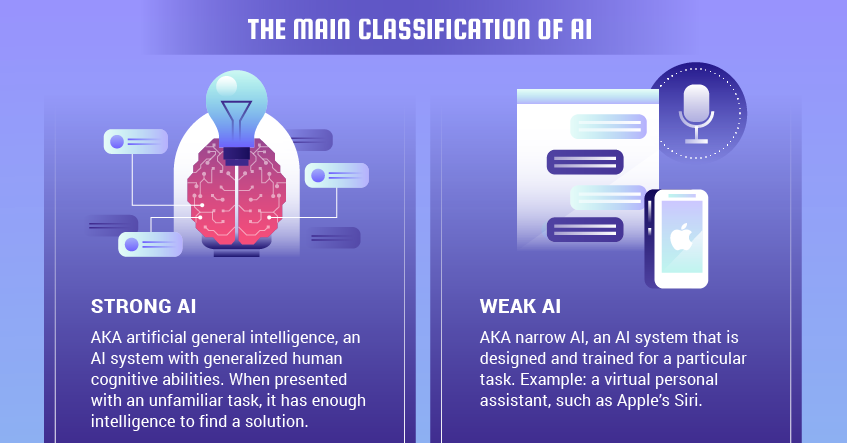
Image courtesy of www.visualcapitalist.com via Google Images
The Role of Regulation in AI
Regulation plays a critical role in guiding the ethical development and deployment of AI technology. By establishing standards and guidelines for AI research, development, and use, policymakers can help ensure that AI systems are safe, transparent, and accountable. Regulation also helps address concerns related to privacy, bias, and societal impact, thereby fostering trust in AI technology among users and stakeholders.
The Human-AI Partnership
As AI technology advances, the concept of humans working alongside AI systems becomes increasingly relevant. The symbiotic relationship between humans and AI, often referred to as the human-AI partnership, offers a unique opportunity for collaboration and mutual benefit. By leveraging the strengths of AI in data processing, automation, and pattern recognition, humans can focus on tasks that require creativity, critical thinking, and emotional intelligence, leading to more efficient and effective outcomes.
Image courtesy of www.officetimeline.com via Google Images
Closing Thoughts
In conclusion, the rise of AI has paved the way for transformative changes in various industries and sectors. From healthcare and finance to transportation and logistics, AI is revolutionizing the way we work, communicate, and live. While AI presents numerous benefits and opportunities, it is essential to address the challenges and ethical concerns associated with its use. By embracing responsible AI development and fostering collaboration between humans and AI, we can harness the full potential of AI technology for the betterment of society.
Generated by Texta.ai Blog Automation
Comments