

Unlock the secrets of AI in our beginner’s guide to Artificial Intelligence – discover the limitless possibilities of this growing field.

Table of Contents
Artificial Intelligence (AI) has emerged as a revolutionary technology that is reshaping industries and our daily lives. At its core, AI refers to machines that can simulate human intelligence processes, such as learning, reasoning, and problem-solving. As we navigate through this blog post series, we will delve into the fascinating world of AI, exploring its historical foundations, current applications, benefits, challenges, ethical concerns, and the future direction of this evolving technology.
Historical Context
The roots of AI can be traced back to the 1950s when pioneers like Alan Turing and John McCarthy laid the foundation for this transformative field. Over the decades, AI has witnessed significant advancements, from expert systems and neural networks to machine learning and deep learning algorithms. Each milestone has propelled AI closer to achieving human-like capabilities and intelligence.
Current Applications
AI has permeated various sectors, driving innovation and efficiency. In healthcare, AI is revolutionizing diagnostics, drug discovery, and personalized treatment plans. Finance leverages AI for fraud detection, risk assessment, and algorithmic trading. Transportation benefits from AI through autonomous vehicles and traffic optimization. The possibilities are limitless, with AI enhancing productivity and decision-making across different domains.
Benefits of AI
The integration of AI technologies offers numerous benefits, including increased automation, enhanced accuracy, and improved predictive capabilities. Businesses leverage AI to optimize processes, reduce costs, and boost customer satisfaction. AI-driven solutions enable personalized recommendations, efficient data analysis, and rapid problem-solving. Ultimately, AI equips organizations with the tools to stay competitive in a rapidly evolving digital landscape.
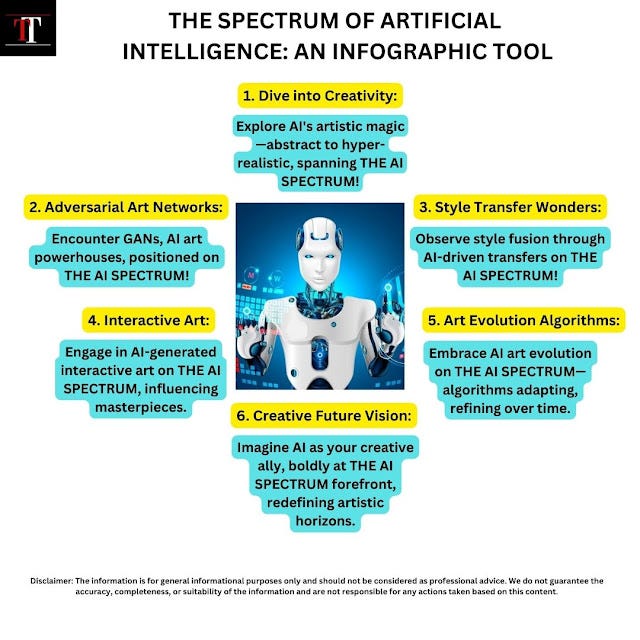
Image courtesy of medium.com via Google Images
Challenges and Ethical Concerns
Despite its potential, AI poses complex challenges and ethical dilemmas. Job displacement due to automation, algorithmic bias, and data privacy breaches are pressing concerns that demand attention. Developers and policymakers must navigate these ethical minefields, ensuring that AI technologies are developed and deployed responsibly. By establishing ethical guidelines and regulatory frameworks, we can mitigate the risks associated with AI.
Future Direction
The future of AI promises continued innovation and transformation across industries. Advancements in AI research, such as reinforcement learning and natural language processing, are expanding the horizons of artificial intelligence. Concepts like explainable AI and AI ethics are gaining prominence, shaping the evolution of this technology. As we look ahead, AI is poised to redefine the way we work, interact, and experience the world.
Image courtesy of www.swiftelearningservices.com via Google Images
Can Skynet Happen?
The notion of a superintelligent AI entity like Skynet may seem like science fiction, but the potential risks of uncontrolled AI development cannot be ignored. While current AI systems lack self-awareness and consciousness, the prospect of a runaway AI scenario raises existential concerns. Safeguards, transparency, and regulatory measures are crucial in ensuring that AI remains beneficial and aligns with human values.
Mitigating the Risks
To address the risks associated with AI, collaborative efforts are essential. Stakeholders must prioritize transparency, accountability, and ethical considerations in AI development. By fostering a culture of responsible innovation, we can proactively mitigate potential threats and ensure that AI technologies serve the collective good. Awareness and engagement are key in safeguarding the future of AI.

Image courtesy of www.linkedin.com via Google Images
Public Opinion
Public perception of AI plays a vital role in shaping its societal impact. Education, dialogue, and informed discussions are instrumental in dispelling myths and addressing concerns surrounding AI. By fostering a nuanced understanding of AI technologies and their implications, we can cultivate a more informed and empowered public discourse. Engaging with diverse perspectives and voices is crucial in steering AI towards a future that benefits all.
Conclusion
As we embark on this journey through the realms of artificial intelligence, it becomes evident that AI holds immense promise and potential. By gaining insights into the historical context, current applications, and future directions of AI, we can appreciate the transformative power of this technology. While challenges and ethical considerations loom large, the responsible development and deployment of AI offer a pathway to realizing its benefits. Let us embrace the opportunities that AI presents, while remaining vigilant in addressing the complexities that come with unleashing the power of artificial intelligence.
Generated by Texta.ai Blog Automation
Comments