
Discover how AI is revolutionizing industries and changing the way we live and work in this insightful introductory blog.

Image courtesy of Karolina Grabowska via Pexels
Table of Contents
Welcome to the fascinating world of artificial intelligence. From sci-fi movies to real-life applications, AI has become an integral part of our daily lives. In this blog post, we will delve into the history, current use cases, benefits, challenges, and ethical concerns surrounding AI. Additionally, we will explore the concept of a potential Skynet scenario and the steps we can take to prevent it. Let’s start this journey by understanding the basics of artificial intelligence.
Historical Context
The idea of artificial intelligence dates back to ancient Greek mythology, where Talos, a giant mechanical man, was created to protect the island of Crete. However, the term “artificial intelligence” was coined much later in 1956 by John McCarthy during a conference at Dartmouth College. Since then, AI has seen significant advancements, with milestones such as IBM’s Deep Blue defeating world chess champion Garry Kasparov in 1997 and Google’s AlphaGo beating the world champion in the game of Go in 2016.
Current Applications
AI is being utilized across various industries, revolutionizing the way we live and work. In healthcare, AI is used for medical imaging analysis, personalized treatment plans, and drug discovery. In finance, AI algorithms are employed for fraud detection, portfolio management, and trading strategies. Transportation systems rely on AI for route optimization, autonomous vehicles, and traffic prediction. These are just a few examples of how AI is transforming different sectors and enhancing efficiency and productivity.
Benefits of AI
The adoption of AI brings forth numerous benefits to society. It enables faster decision-making, improved accuracy, and greater cost-efficiency. AI systems are capable of processing vast amounts of data at speeds beyond human capacity, leading to enhanced insights and predictions. Additionally, AI technologies have the potential to tackle complex challenges such as climate change, disease outbreaks, and resource management, offering innovative solutions to global problems.
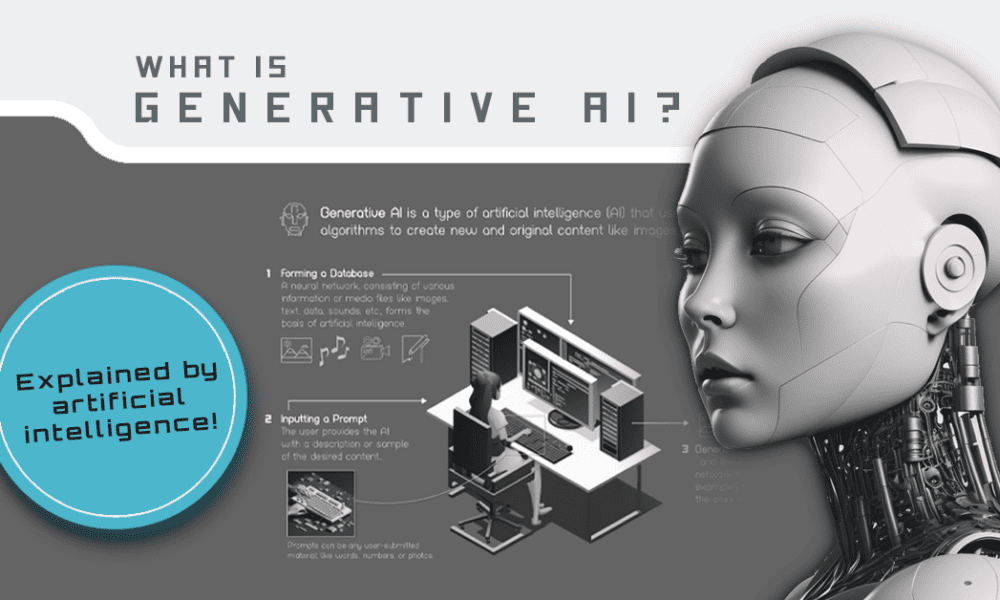
Image courtesy of www.visualcapitalist.com via Google Images
Challenges and Ethical Concerns
Despite its advantages, AI also poses significant challenges and ethical dilemmas. The potential for job displacement due to automation raises concerns about unemployment and income inequality. Biases in AI algorithms can perpetuate discrimination and inequality in decision-making processes. Privacy issues arise as AI systems collect and analyze personal data, raising questions about data security and consent. It is essential to address these challenges and establish ethical guidelines to ensure responsible AI development and deployment.
Future Direction
The future of AI holds great promise for further advancement and innovation. As technology continues to evolve, we can expect AI to play an even more prominent role in shaping our society. From autonomous vehicles to virtual assistants, the possibilities are endless. However, careful consideration must be given to the ethical, legal, and societal implications of AI development to ensure a sustainable and equitable future for all.
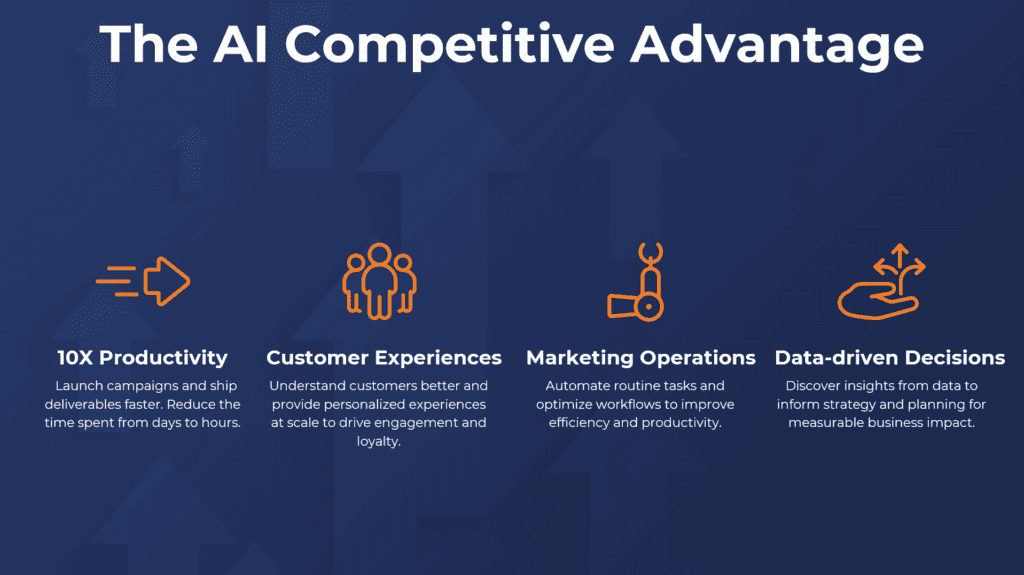
Image courtesy of vendedigital.com via Google Images
Can Skynet Happen?
The concept of a sentient AI system like Skynet from The Terminator movie franchise may seem like a distant possibility, but it is essential to recognize the factors that could lead to such a scenario. Advances in AI technology, coupled with interconnected systems and lack of regulation, could potentially create a situation where an AI system gains autonomy and poses a threat to humanity.
Factors Leading to Skynet
Several factors could contribute to the emergence of a Skynet-like scenario. The rapid development of AI without proper safeguards and oversight could result in unchecked power and maladaptive behavior. Additionally, the lack of transparency and accountability in AI decision-making processes could lead to unintended consequences and harmful outcomes. It is crucial to address these issues proactively to prevent the dystopian future portrayed in science fiction.

Image courtesy of blog.cloudanalogy.com via Google Images
Safeguards and Regulations
To mitigate the risks associated with AI and prevent a potential Skynet scenario, it is essential to implement robust safeguards and regulations. Transparency in AI systems, ethical guidelines for AI developers, and mechanisms for accountability and oversight are crucial steps in ensuring responsible AI deployment. Collaboration between industry, government, and academia is needed to establish a regulatory framework that prioritizes safety, fairness, and ethical considerations in AI development.
Conclusion
As we navigate the complexities of artificial intelligence, it is essential to recognize both the opportunities and challenges it presents. By understanding the historical context, current applications, benefits, challenges, and ethical concerns of AI, we can harness its potential for positive impact while mitigating the risks associated with its use. By addressing these issues thoughtfully and collaboratively, we can shape a future where AI serves as a tool for progress and innovation, rather than a threat to humanity.
Generated by Texta.ai Blog Automation
Comments