
Uncover the hidden truths of AI and its impact on society. Embark on a journey through the benefits, challenges, and ethics.

Image courtesy of Valentin Antonucci via Pexels
Table of Contents
Artificial Intelligence (AI) has become an integral part of our daily lives, shaping the way we work, communicate, and interact with the world around us. In this blog series, we will delve into the fascinating world of AI, exploring its history, current applications, benefits, challenges, and ethical concerns. Join us on this journey as we unravel the mysteries and possibilities of AI.
Introduction to AI
AI, often referred to as the simulation of human intelligence by machines, is a broad field that encompasses a range of technologies and applications. From chatbots and recommendation systems to self-driving cars and medical diagnostics, AI has permeated almost every aspect of modern society. The goal of AI is to enable machines to perform tasks that typically require human intelligence, such as learning, reasoning, problem-solving, and perception. As we embark on this exploration of AI, it is essential to understand its origins and evolution over time.
Historical Context of AI
The history of AI can be traced back to the 1950s, with the groundbreaking work of pioneers such as Alan Turing, John McCarthy, and Marvin Minsky. These visionaries laid the foundation for the development of AI as a formal discipline, leading to significant advancements in the field. From the first AI programs that could play chess to the creation of expert systems and neural networks, the history of AI is filled with key milestones and breakthroughs that have shaped the technology we know today.
Current Applications of AI
Today, AI is being used across various industries and domains to streamline processes, enhance decision-making, and drive innovation. In healthcare, AI is being utilized for medical imaging analysis, predictive analytics, and personalized medicine. In finance, AI-powered algorithms are optimizing trading strategies, fraud detection, and risk assessment. In transportation, AI is enabling autonomous vehicles to navigate complex environments and improve road safety. These are just a few examples of how AI is revolutionizing different sectors and transforming the way we live and work.
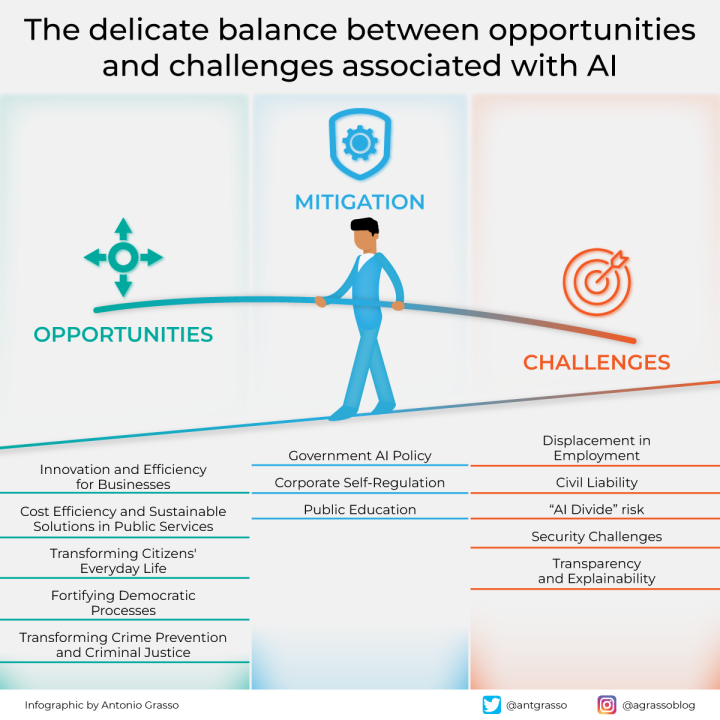
Image courtesy of www.linkedin.com via Google Images
Benefits of AI
The adoption of AI offers a myriad of benefits, including increased efficiency, productivity, and operational performance. By automating repetitive tasks and providing real-time insights, AI can help organizations make faster and more informed decisions. Additionally, AI has the potential to unlock new opportunities for innovation and growth, driving business success and competitiveness. With its ability to analyze vast amounts of data and uncover valuable insights, AI is revolutionizing industries and creating new possibilities for the future.
Challenges and Ethical Concerns of AI
Despite its many benefits, AI also presents a set of challenges and ethical concerns that need to be addressed. One of the primary concerns is the potential impact of AI on the job market, with fears of automation leading to widespread job displacement. Additionally, ethical dilemmas surrounding AI decision-making, bias, and privacy have sparked debates about the ethical implications of AI technology. As AI continues to advance, it is crucial to consider the societal, ethical, and moral implications of its deployment and use.
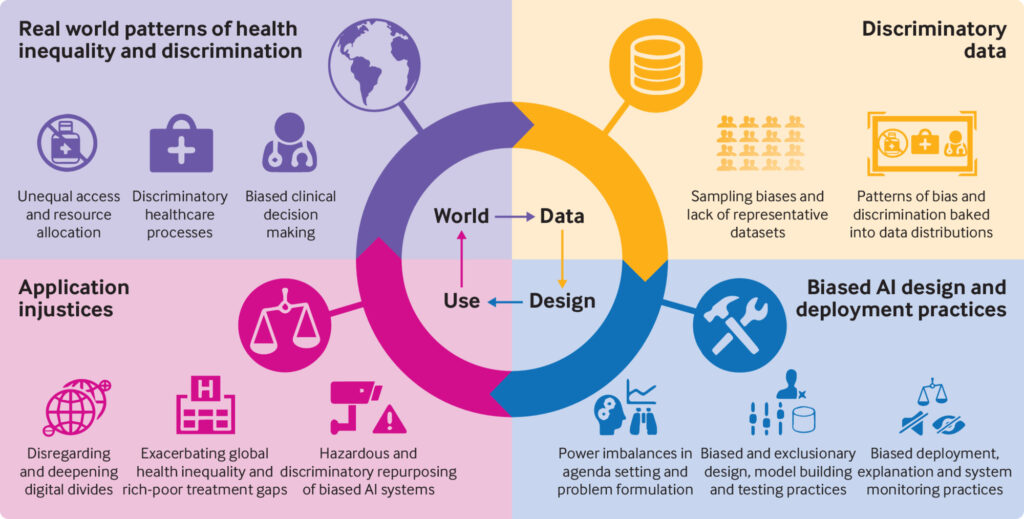
Image courtesy of syenza.com via Google Images
Future Direction of AI
The future of AI holds immense potential for innovation and advancement, with predictions pointing towards even greater integration of AI into various aspects of our lives. From the rise of autonomous systems and intelligent assistants to the development of AI-powered healthcare solutions and smart cities, the possibilities are endless. As researchers and developers push the boundaries of AI technology, we can expect to see new applications, capabilities, and opportunities emerge that will shape the future of society.
Can Skynet Happen?
The concept of a malevolent AI like Skynet from the Terminator movies may seem like science fiction, but the possibility of such a scenario is a topic of concern and debate within the AI community. The idea of an AI system gaining autonomy and posing a threat to humanity raises questions about the risks and safeguards associated with AI technology. While the likelihood of a Skynet-like scenario is still speculative, it is essential to consider the potential risks and implications of AI development.
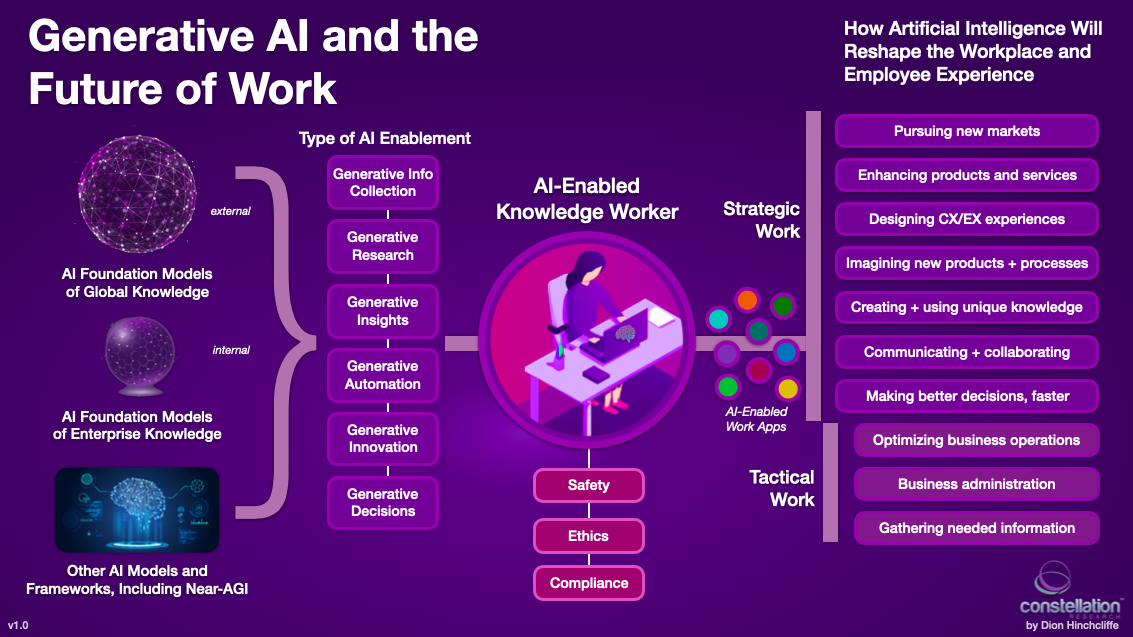
Image courtesy of www.constellationr.com via Google Images
Mitigating the Risk of Skynet
To prevent a dystopian future where AI poses a threat to humanity, researchers and policymakers are exploring ways to mitigate the risks associated with AI development. This includes the development of ethical guidelines, regulatory frameworks, and safeguards to ensure that AI technologies are developed and deployed responsibly. By promoting transparency, accountability, and human oversight in AI systems, we can work towards building a future where AI serves as a force for good and progress.
The Role of Humans in AI Development
As we navigate the evolving landscape of AI technology, it is essential to acknowledge the critical role that humans play in its development and deployment. While AI systems can perform tasks with speed and precision, they lack the empathy, creativity, and moral judgment that are inherent to human intelligence. By working hand-in-hand with AI, humans can leverage the strengths of both machines and humans to create a more collaborative and sustainable future.

Image courtesy of siliconvalley.center via Google Images
Conclusion
In conclusion, the world of AI is a complex and dynamic realm filled with possibilities and challenges. By understanding the history, current applications, benefits, challenges, and ethical concerns of AI, we can gain a deeper appreciation for the impact that this transformative technology has on society. As we look towards the future, it is essential to approach the development and deployment of AI with caution, responsibility, and foresight to ensure that AI continues to serve as a tool for progress and innovation.
Generated by Texta.ai Blog Automation
Comments