
Discover the surprising connections between the genius of Turing and the innovation of Tesla on a historical journey through AI.

Image courtesy of Pixabay via Pexels
Table of Contents
Artificial Intelligence, or AI, has been a buzzword in recent years, but its roots can be traced back to the 1950s. It all started with the groundbreaking work of Alan Turing, a British mathematician, and computer scientist. Turing proposed the concept of a “universal machine” that could simulate any human intelligence task, laying the foundation for what we now know as AI.
Origins of AI
In 1956, the term “Artificial Intelligence” was coined during a conference at Dartmouth College, where leading researchers discussed the possibility of creating machines that could think like humans. This marked the official beginning of AI as a field of study.
Early AI research focused on symbolic reasoning and problem-solving, leading to the development of expert systems that could perform specific tasks using predefined rules. However, progress was slow due to limitations in computing power and data availability.
Milestones in AI Development
Over the decades, significant milestones shaped the evolution of AI. In the 1990s, machine learning techniques began to gain prominence, enabling computers to improve their performance over time without explicit programming. This breakthrough laid the groundwork for modern AI applications.
Another milestone was the development of deep learning algorithms, inspired by the structure and function of the human brain. Deep learning has revolutionized AI, leading to advancements in speech recognition, image classification, and natural language processing.
Current Applications of AI
Today, AI is integrated into various aspects of our daily lives, from virtual assistants like Siri and Alexa to recommendation systems on streaming platforms like Netflix. In healthcare, AI is used for diagnosing diseases and predicting patient outcomes, while in finance, AI algorithms analyze vast amounts of data to make investment decisions.

Image courtesy of digitalwellbeing.org via Google Images
Autonomous vehicles, powered by AI technologies, are becoming a reality, promising to revolutionize transportation and reduce accidents. AI-driven chatbots are improving customer service experiences, and smart home devices use AI to enhance convenience and efficiency.
Benefits of AI
The benefits of AI are vast and encompass a wide range of industries. In healthcare, AI can assist doctors in diagnosing diseases more accurately and quickly, leading to better patient outcomes. In manufacturing, AI-enabled robots increase productivity and efficiency, reducing operational costs.
AI algorithms optimize supply chain management, predicting demand and ensuring timely delivery of goods. In finance, AI-powered trading systems analyze market trends and make real-time decisions to maximize returns. Overall, AI offers businesses the potential to streamline operations, improve decision-making processes, and drive innovation.
Challenges in Implementing AI
Despite its promising potential, AI implementation faces challenges that need to be addressed. One of the primary concerns is the displacement of jobs by automation. As AI technology advances, routine tasks that were previously performed by humans may be automated, leading to job losses in certain sectors.
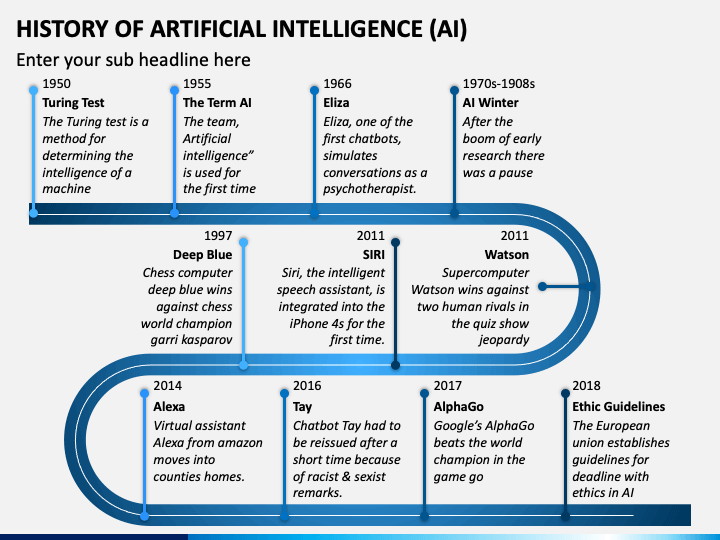
Image courtesy of anjireddy-kata.medium.com via Google Images
Another challenge is the potential for bias in AI systems. Machine learning algorithms learn from historical data, which may contain biases and inaccuracies. If not properly addressed, these biases can perpetuate discrimination and inequality in AI-driven decision-making processes.
Ethical Concerns Surrounding AI
Ethical considerations are paramount in the development and use of AI technology. Privacy issues arise when AI systems collect and analyze vast amounts of personal data, raising concerns about data protection and consent. Transparent AI algorithms and clear regulations are essential to ensure ethical use of AI.
Another ethical concern is the accountability of AI systems. When AI makes decisions that impact individuals or society, it is crucial to establish mechanisms for oversight and accountability to prevent harm and ensure fairness. Additionally, the potential misuse of AI for malicious purposes underscores the importance of ethical guidelines and responsible AI development.
Future Direction of AI
The future of AI holds exciting possibilities for further innovation and advancement. Machine learning algorithms will continue to improve, enabling AI systems to learn from complex data and make more accurate predictions. Natural language processing and computer vision technologies will enhance human-machine interactions, leading to more immersive and intuitive experiences.
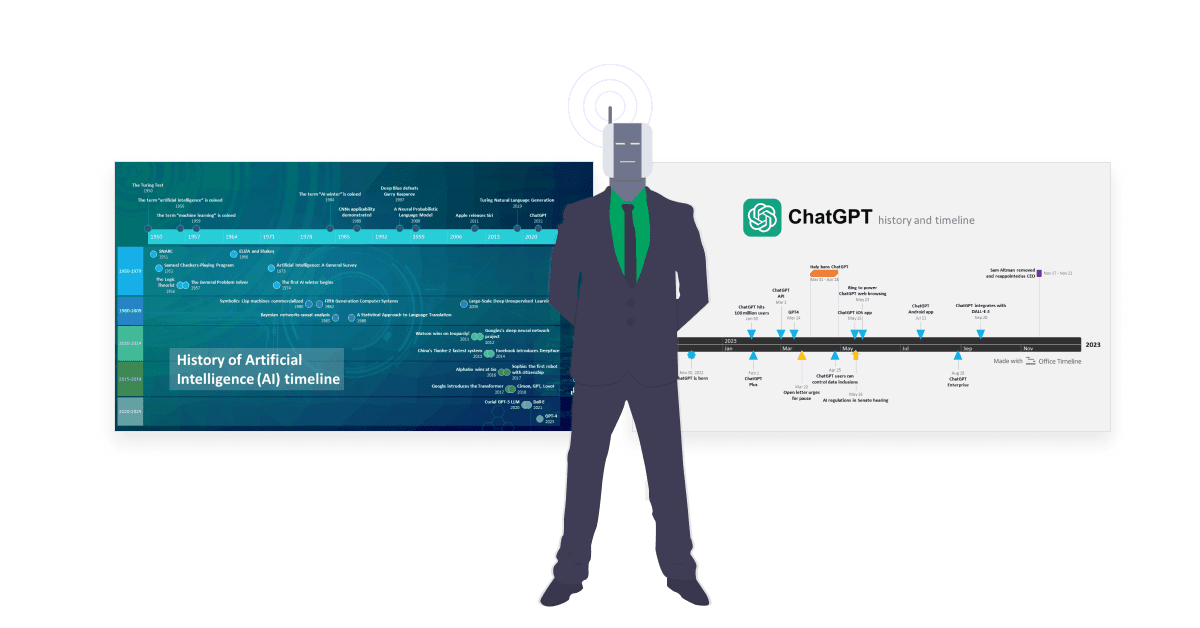
Image courtesy of www.officetimeline.com via Google Images
Innovations in AI robotics will transform industries such as healthcare, manufacturing, and agriculture, increasing efficiency and precision in various applications. AI-driven smart cities will optimize urban infrastructure and services, improving sustainability and quality of life for residents. As AI technology evolves, the potential for interdisciplinary collaborations and groundbreaking discoveries will propel society into a new era of innovation and progress.
Could Skynet Happen?
The notion of a superintelligent AI system like Skynet taking control and posing a threat to humanity has long been a subject of science fiction. While such a scenario remains theoretical, it raises important questions about the risks associated with advanced AI technologies.
Superintelligent AI, capable of surpassing human intelligence and autonomy, poses potential risks if not properly controlled. Ensuring the ethical development of AI, implementing safeguards against misuse, and fostering transparency in AI systems are crucial steps to mitigate the likelihood of a Skynet-like scenario.
Conclusion
From its humble beginnings with Alan Turing to the cutting-edge innovations of companies like Tesla, AI has come a long way in revolutionizing technology and shaping the future of society. By understanding the historical context, current applications, benefits, challenges, and ethical concerns surrounding AI, we can navigate the complex landscape of artificial intelligence with informed perspectives and proactive measures.
Generated by Texta.ai Blog Automation
Comments