
Uncover the fascinating history of artificial intelligence with this detailed timeline of groundbreaking innovations and technological advancements. Dive in now!

Image courtesy of Kindel Media via Pexels
Table of Contents
Introduction to AI
Artificial Intelligence, commonly referred to as AI, has become an integral part of our daily lives. Through the use of machine learning algorithms and deep neural networks, AI systems have transformed the way we interact with technology. Companies like NodeHive have leveraged the power of AI to create innovative solutions that automate tasks and improve efficiency.
Historical Context of AI
The roots of AI can be traced back to the mid-20th century, when researchers began exploring the possibility of creating machines that could mimic human intelligence. Over the years, significant milestones such as the creation of the first AI program in the 1950s and the development of expert systems in the 1970s have paved the way for the modern AI revolution.
Current Applications of AI
Today, AI is used in a wide range of applications, from virtual assistants like Siri and Alexa to recommendation systems on platforms like Netflix and Amazon. In industries such as healthcare, finance, and marketing, AI is revolutionizing processes and driving innovation. NodeHive, for example, uses AI algorithms to streamline data analysis and provide actionable insights.

Image courtesy of sitn.hms.harvard.edu via Google Images
Benefits of AI
One of the key benefits of AI is its potential to increase efficiency and productivity. By automating repetitive tasks and analyzing vast amounts of data, AI systems can help businesses make better decisions and improve their operations. Additionally, AI has the power to drive innovation and create new opportunities for growth.
Challenges and Ethical Concerns in AI
Despite its numerous advantages, AI also poses several challenges and ethical concerns. Issues such as bias in algorithms, privacy violations, and job displacement have raised important questions about the responsible use of AI technology. As companies like NodeHive continue to develop AI solutions, it is crucial to address these concerns and prioritize ethical considerations.
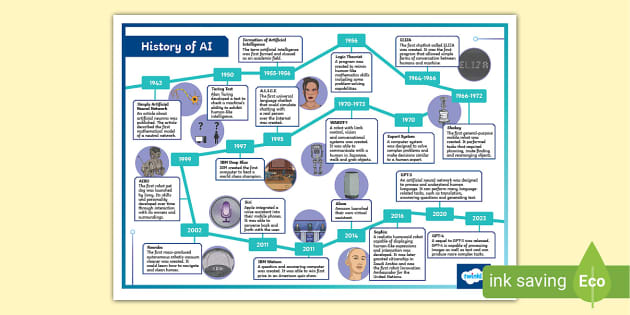
Image courtesy of www.twinkl.co.nz via Google Images
Future Direction of AI
The future of AI holds exciting possibilities, with advancements in areas such as natural language processing, computer vision, and autonomous systems. As AI technologies continue to evolve, they have the potential to transform industries and reshape the way we live and work. NodeHive is at the forefront of this AI revolution, leading the way with cutting-edge solutions and innovative approaches.
Can Skynet Happen?
The concept of a sentient AI system like Skynet from the “Terminator” movies taking over the world is a common fear associated with AI development. While the idea of AI surpassing human intelligence is a popular theme in science fiction, the likelihood of a scenario like Skynet happening in reality is incredibly slim.
Image courtesy of www.visualcapitalist.com via Google Images
Reasons Why Skynet Scenario is Unlikely
It is important to recognize that current AI technology is still far from achieving human-like intelligence. AI systems are designed to perform specific tasks and lack the complexity of human cognition. Additionally, the field of AI ethics and research is actively addressing concerns related to the development of autonomous and self-aware AI systems.
Strategies to Prevent Negative AI Outcomes
To ensure that AI technology is developed and deployed responsibly, it is essential to implement strategies that prioritize transparency, accountability, and regulation. By promoting ethical guidelines and fostering open dialogue about the implications of AI, we can work towards a future where AI benefits society without compromising our values or safety.
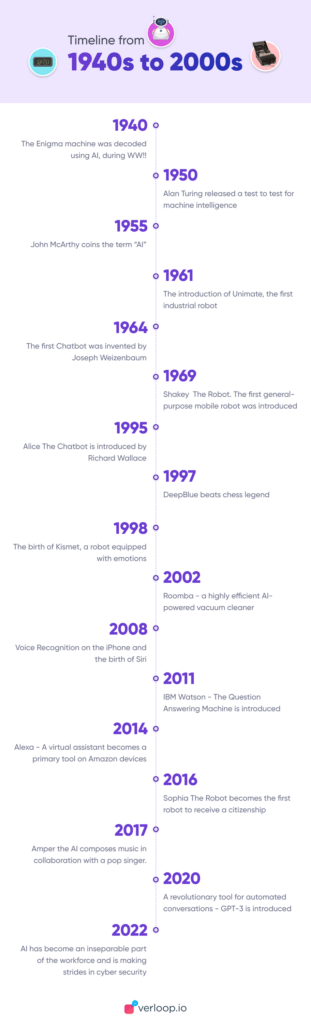
Image courtesy of verloop.io via Google Images
Conclusion: Embracing the Potential of AI
As we continue to witness the rapid progress of AI technology, it is crucial to embrace its potential while also acknowledging the challenges it presents. By staying informed about AI advancements, engaging in critical discussions, and supporting ethical practices in AI development, we can shape a future where AI benefits humanity and enhances our way of life.
Generated by Texta.ai Blog Automation
Comments