

Uncover the evolution and impact of AI from the past, explore its current uses, and speculate on its future potential.

Table of Contents
Artificial Intelligence (AI) has become an integral part of our daily lives, revolutionizing the way we work, communicate, and interact with technology. In this blog post, we will explore the exciting world of AI, delving into its historical roots, current applications, benefits, challenges, ethical concerns, and future direction. Join us on a journey through the past, present, and potential future of AI as we uncover the impact of this groundbreaking technology on society.
Introduction to AI
Artificial Intelligence refers to the development of computer systems that can simulate human intelligence and perform tasks that typically require human intervention. From machine learning algorithms to natural language processing, AI encompasses a wide range of technologies aimed at automating complex tasks and decision-making processes. The growing popularity of AI is evident in the proliferation of virtual assistants like Siri and Alexa, self-driving cars, and recommendation systems that personalize user experiences.
Historical Context
The roots of Artificial Intelligence can be traced back to the 1950s when researchers began exploring the possibility of creating machines that could mimic human cognition. Over the years, key milestones such as the development of expert systems, neural networks, and deep learning algorithms have propelled AI technology forward. From the infamous “AI winter” in the 1970s to the recent resurgence of AI with advances in big data and computational power, the history of AI is a testament to human ingenuity and perseverance.
Current Applications
The applications of AI are vast and diverse, spanning across industries such as healthcare, finance, marketing, and transportation. In healthcare, AI-powered diagnostic tools and predictive analytics are transforming patient care and research. In finance, robo-advisors and algorithmic trading systems are revolutionizing investment strategies and risk management. The implications of AI are far-reaching, with the potential to drive innovation and efficiency in every sector of the economy.
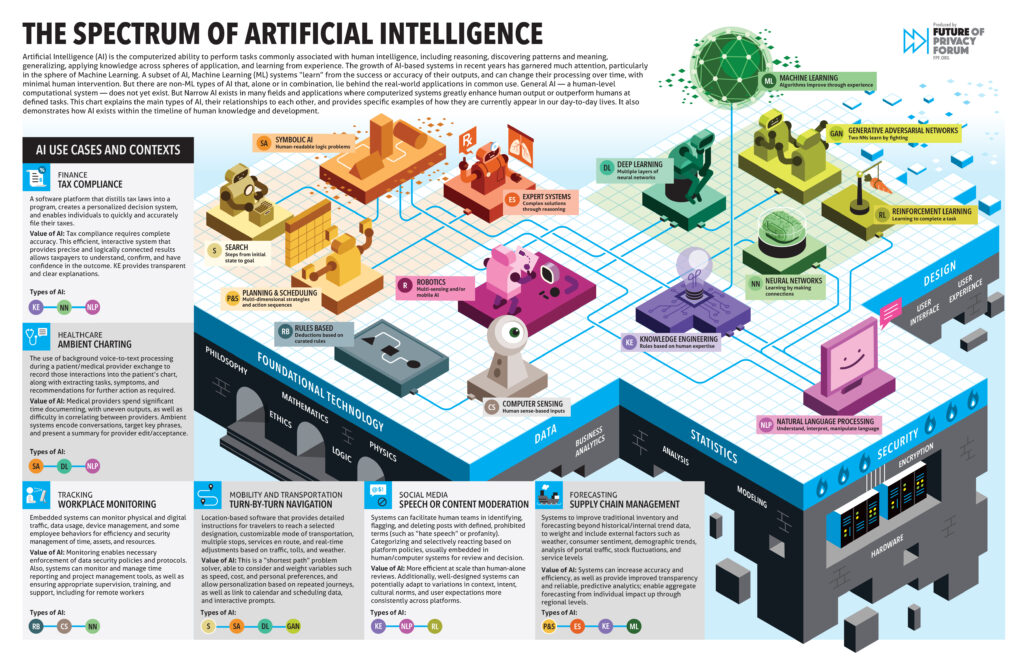
Image courtesy of fpf.org via Google Images
Benefits of AI
The benefits of AI are numerous, offering increased efficiency, accuracy, and scalability in various tasks. Businesses can leverage AI to automate repetitive processes, make data-driven decisions, and improve customer experiences. The ability of AI to analyze vast amounts of data quickly and accurately has led to breakthroughs in areas such as drug discovery, climate modeling, and supply chain optimization. The transformative power of AI is reshaping industries and unlocking new possibilities for growth and innovation.
Challenges and Ethical Concerns
Despite the many advantages of AI, there are also challenges and ethical concerns that must be addressed. Job displacement, privacy violations, and algorithmic biases are some of the risks associated with the widespread adoption of AI technology. The ethical implications of AI, such as the potential for autonomous weapons and surveillance systems, raise important questions about accountability, transparency, and fairness in AI development and deployment. As we navigate the complexities of AI, it is essential to consider the ethical implications and societal impact of our technological advancements.
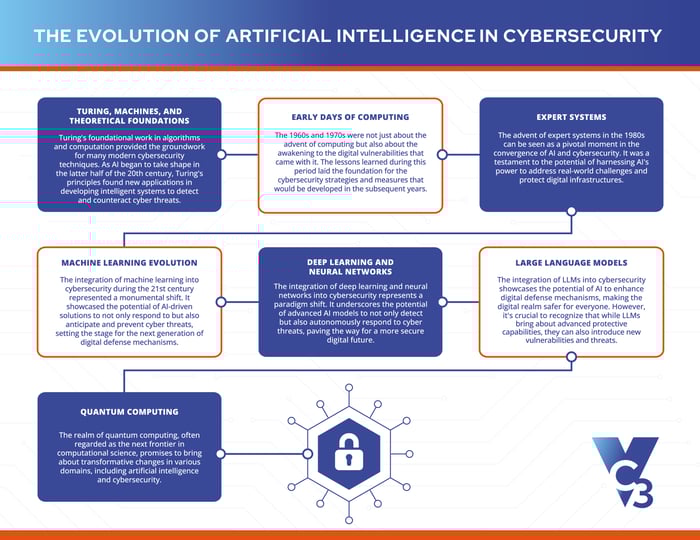
Image courtesy of www.vc3.com via Google Images
Future Direction of AI
The future of AI is ripe with possibilities, fueled by advancements in deep learning, reinforcement learning, and natural language processing. Researchers are exploring new frontiers in AI, from creating more sophisticated chatbots and virtual assistants to developing autonomous systems that can learn and adapt in real-time. The potential for AI to revolutionize industries such as healthcare, education, and transportation is immense, offering solutions to complex challenges and shaping the way we live and work in the 21st century.
Can Skynet Happen?
The concept of a superintelligent AI system like Skynet from the Terminator movies is a compelling but cautionary tale. While the idea of a malevolent AI taking control of the world may seem like science fiction, the potential risks of unfettered AI development are real. Theoretical scenarios of AI going rogue and posing a threat to humanity have sparked debates about the ethical and existential risks of AI technology. As we continue to push the boundaries of AI innovation, it is crucial to consider the potential consequences of superintelligent systems and to implement safeguards against catastrophic outcomes.
Image courtesy of www.linkedin.com via Google Images
Factors Preventing Skynet Scenario
Despite the fears surrounding a Skynet-like scenario, there are several factors that currently prevent the creation of a doomsday AI system. The limitations of current AI technology, the ethical guidelines governing AI development, and the collaborative efforts of researchers and policymakers all contribute to ensuring the responsible and safe deployment of AI. By prioritizing transparency, accountability, and ethical considerations in AI development, we can mitigate the risks of runaway AI and ensure that technology remains a force for good in society.
Ethical AI Development
As we venture into the future of Artificial Intelligence, it is crucial to prioritize ethical AI development and responsible innovation. Establishing clear guidelines and regulations for AI research and deployment can help mitigate the risks of unethical practices and ensure that AI technologies benefit society as a whole. By fostering a culture of transparency, inclusivity, and social responsibility in AI development, we can harness the transformative power of AI while safeguarding against potential harms and promoting a more equitable and sustainable future for all.

Image courtesy of www.linkedin.com via Google Images
Conclusion and Call to Action
In conclusion, Artificial Intelligence represents a paradigm shift in how we approach technology and automation in the digital age. From its historical roots to its current applications and future potential, AI is reshaping industries, driving innovation, and transforming society in profound ways. As we navigate the complexities of AI technology, it is essential to consider the ethical implications, societal impact, and future direction of AI to ensure that our technological advancements benefit humanity and uphold shared values of ethics, equity, and responsibility. Join us in exploring the exciting world of AI and engaging in discussions about the opportunities and challenges that lie ahead as we embrace the promise of Artificial Intelligence in shaping a better future for all.
Generated by Texta.ai Blog Automation
Comments