

Discover the fascinating journey of artificial intelligence from its humble beginnings to its ground-breaking advancements in our modern world.

Table of Contents
Artificial Intelligence, or AI, is a revolutionary technology that has permeated almost every aspect of modern life. From self-driving cars to virtual assistants, AI has become an integral part of our society. In this blog post series, we will explore the world of Artificial Intelligence, delving into its historical context, current applications, benefits, challenges, ethical concerns, future direction, and the potential risks associated with AI.
Introduction to AI
Artificial Intelligence is the simulation of human intelligence processes by machines, primarily computer systems. It encompasses various technologies and approaches, including machine learning, natural language processing, and robotics. AI systems are capable of performing tasks that typically require human intelligence, such as problem-solving, decision-making, and language understanding.
Historical Context of AI
The concept of Artificial Intelligence dates back to the 1950s when researchers began exploring the possibility of creating intelligent machines. Over the years, AI has witnessed significant advancements, with key milestones including the development of expert systems, neural networks, and deep learning algorithms.
Current Applications of AI
AI is being used in a wide range of applications across various industries. In healthcare, AI is helping to diagnose diseases and personalize treatment plans. In finance, AI algorithms are used for fraud detection and risk assessment. Other examples of AI applications include virtual assistants like Siri and Alexa, autonomous vehicles, and recommendation systems.
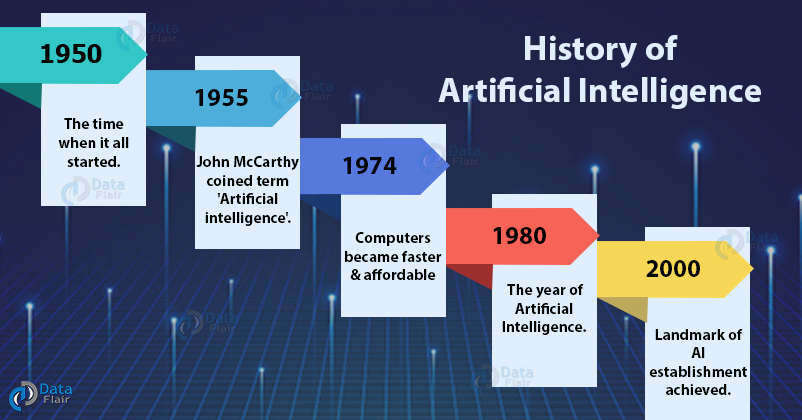
Image courtesy of via Google Images
Benefits of AI
The benefits of AI are numerous and far-reaching. AI technologies have the potential to revolutionize industries, improve efficiency, and drive innovation. In healthcare, AI enables early detection of diseases and personalized medicine. In finance, AI algorithms help to optimize investment strategies and detect fraudulent activities.
Challenges and Ethical Concerns of AI
While AI offers significant benefits, it also raises several challenges and ethical concerns. Job displacement, algorithmic bias, data privacy issues, and the potential misuse of AI technology are just a few of the concerns surrounding AI. It is essential to address these challenges to ensure responsible and ethical AI development.

Image courtesy of via Google Images
Future Direction of AI
The future of AI holds immense promise, with continued advancements in machine learning, robotics, and natural language processing. AI is expected to play a central role in shaping the future of various industries, driving innovation and transforming the way we live and work. As AI technologies continue to evolve, it is crucial to consider the potential implications and ensure that AI is developed and deployed responsibly.
Can Skynet Happen?
In popular culture, the concept of Skynet from the Terminator movie series has sparked fears of a dystopian future where AI becomes self-aware and poses a threat to humanity. While the scenario depicted in the movies is highly exaggerated, the risks associated with advanced AI systems are real. Researchers are actively working to ensure that AI remains under human control and does not pose a existential threat.
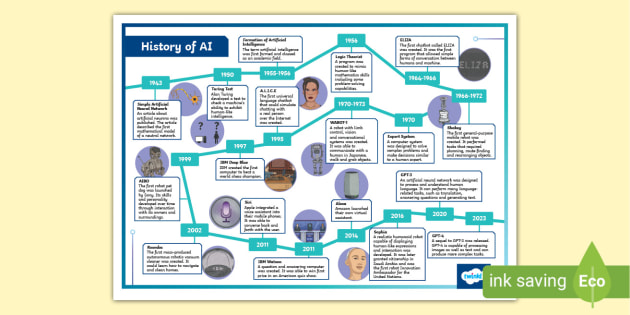
Image courtesy of via Google Images
The Risks of AI Superintelligence
One of the most significant risks associated with AI is the development of superintelligent AI systems that surpass human intelligence. Such systems could potentially outsmart humans and pose existential risks. The concept of AI superintelligence raises complex ethical and philosophical questions that must be carefully considered as we continue to advance AI technology.
How to Safeguard Against AI Risks
To address the risks associated with AI technology, it is essential to implement safeguards and regulations. Responsible AI development practices, transparency in AI systems, and ethical considerations should be prioritized to mitigate potential risks. Collaboration between researchers, industry leaders, and policymakers is crucial to ensuring the safe and ethical development of AI technology.
Image courtesy of via Google Images
Conclusion
As we delve deeper into the world of Artificial Intelligence, it is clear that AI has the potential to revolutionize our society and transform the way we live and work. By understanding the historical context, current applications, benefits, challenges, and ethical concerns of AI, we can better navigate the complex landscape of AI technology. It is essential to approach the development and deployment of AI with caution, ensuring that ethical considerations and safeguards are in place to mitigate potential risks. Stay tuned for more insights and discussions on the fascinating world of Artificial Intelligence.
Generated by Texta.ai Blog Automation
Comments