
Unveil the fascinating world of artificial intelligence in this eye-opening blog post that explores the limitless possibilities of the future.

Image courtesy of Tara Winstead via Pexels
Table of Contents
Welcome to our blog series on the fascinating world of Artificial Intelligence (AI). In this series, we will delve into the history, current applications, benefits, challenges, ethical concerns, and future direction of AI. Join us on this journey as we explore the impact of this groundbreaking technology on our society and discuss the possibilities and risks that come with its advancement.
Introduction to AI
Artificial Intelligence, or AI, refers to the simulation of human intelligence in machines that are programmed to think and learn like humans. This technology has the potential to transform industries, improve efficiencies, and revolutionize the way we live and work. Machine learning, neural networks, and deep learning are key components of AI that enable computers to perform tasks that typically require human intelligence.
Historical Context of AI
The origins of AI can be traced back to the 1950s when researchers began exploring the concept of creating machines that can mimic human intelligence. Over the decades, significant advancements in computing power and algorithms have led to the development of sophisticated AI systems. Key milestones in the history of AI include the creation of expert systems, neural networks, and the emergence of AI-powered technologies in various industries.
Current Applications of AI
AI is being used in a wide range of industries and applications, from healthcare to finance to transportation. Virtual assistants like Siri and Alexa, self-driving cars, and facial recognition technology are just a few examples of how AI is transforming our daily lives. In healthcare, AI is being used to improve diagnostics and treatment planning, while in finance, AI algorithms are used for fraud detection and risk assessment.
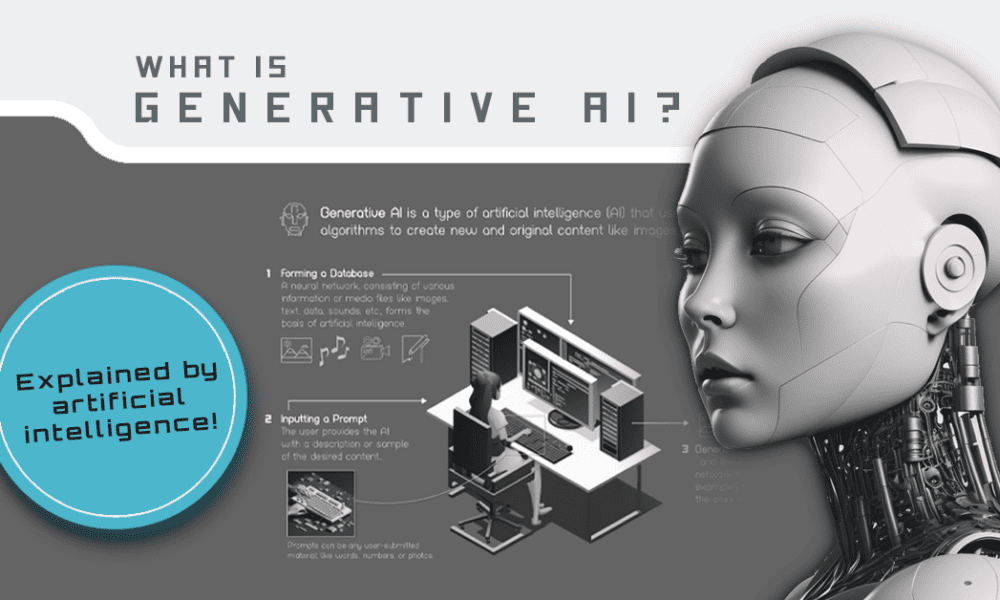
Image courtesy of www.visualcapitalist.com via Google Images
Benefits of AI
The benefits of AI are vast and significant. AI technology has the potential to increase efficiency, improve decision-making processes, and enhance customer experiences. By automating repetitive tasks and analyzing vast amounts of data quickly and accurately, AI systems can help organizations streamline their operations and achieve better outcomes. In healthcare, AI can assist doctors in diagnosing diseases more accurately and provide personalized treatment plans for patients.
Challenges and Ethical Concerns
Despite its many benefits, AI also poses challenges and ethical concerns that must be addressed. Job displacement due to automation, biases in AI algorithms, and data privacy issues are some of the potential risks associated with the widespread adoption of AI technology. Ethical considerations, such as transparency, accountability, and fairness, are crucial in the development and deployment of AI systems to ensure that they align with societal values and norms.
Image courtesy of www.techopedia.com via Google Images
Future Direction of AI
The future of AI is promising, with continued advancements in technology and research. As AI systems become more sophisticated and powerful, we can expect to see further integration of AI technology into various aspects of our lives. Emerging trends in AI research, such as quantum computing, natural language processing, and reinforcement learning, are paving the way for new applications and possibilities in the field of artificial intelligence.
Can Skynet Happen?
The concept of a superintelligent AI system like Skynet from the Terminator series, which poses a threat to humanity, is a popular topic of discussion in the AI community. While the likelihood of such a scenario occurring is debatable, researchers and policymakers are taking precautions to prevent any potential risks associated with the development of AI. Ethical guidelines, safety protocols, and regulations are being implemented to ensure that AI technologies are developed and deployed responsibly.

Image courtesy of www.mygreatlearning.com via Google Images
Discussing the Turing Test
The Turing Test, proposed by British mathematician and computer scientist Alan Turing, is a measure of a machine’s ability to exhibit intelligent behavior indistinguishable from that of a human. While the Turing Test is a useful benchmark for assessing AI systems, it has its limitations. Alternative methods for evaluating AI, such as the Winograd Schema Challenge and the Coffee Test, are being explored to provide a more comprehensive understanding of AI capabilities.
AI and Creativity
AI is not only capable of performing tasks traditionally associated with human intelligence but also has the potential to enhance creativity. AI algorithms are being used to generate music, art, and literature, leading to new forms of expression and inspiration. While AI-generated content raises questions about authenticity and authorship, it also offers exciting opportunities for collaboration between humans and machines in the creative process.

Image courtesy of www.linkedin.com via Google Images
Conclusion
In conclusion, Artificial Intelligence is poised to revolutionize our world in ways we have yet to imagine. From enhancing productivity and innovation to posing ethical dilemmas and existential risks, AI is a double-edged sword that requires careful consideration and responsible development. As we continue to explore the possibilities and challenges of AI, it is essential for us to stay informed, engage in dialogue, and shape the future of AI technology in a way that benefits society as a whole.
Thank you for joining us on this journey through the world of Artificial Intelligence. Stay tuned for more insights, updates, and discussions on the latest trends and developments in AI technology. Together, let’s shape a future where AI coexists harmoniously with humanity, empowering us to thrive in a rapidly changing world.
Generated by Texta.ai Blog Automation
Comments