
Discover how artificial intelligence is revolutionizing industries and shaping our future, unlocking the endless possibilities of this cutting-edge technology.

Image courtesy of Bradley Hook via Pexels
Table of Contents
Artificial Intelligence (AI) is a transformative technology that has revolutionized the way we live, work, and interact with the world around us. From self-driving cars to virtual assistants, AI is everywhere, constantly evolving and shaping our future. In this blog post, we will delve into the world of AI, exploring its history, current applications, benefits, challenges, ethical concerns, and the future direction of this groundbreaking technology. Let’s dive in!
Introduction to Artificial Intelligence
Artificial Intelligence, or AI, refers to the simulation of human intelligence in machines that are programmed to think and learn like humans. This technology encompasses a wide range of capabilities, from speech recognition and natural language processing to problem-solving and decision-making. AI has become an integral part of our daily lives, powering virtual assistants like Siri and Alexa, enhancing healthcare diagnostics, and driving autonomous vehicles.
Historical Context of AI
The roots of AI can be traced back to the 1950s when the term was first coined by computer scientist John McCarthy. Over the decades, researchers and developers have made significant advancements in AI technology, from early rule-based systems to the deep learning algorithms that power today’s AI applications. Key milestones in AI development include the creation of IBM’s Deep Blue chess-playing computer and the introduction of neural networks in the 1980s.
Current Applications of AI
AI technology is being used across a wide range of industries, revolutionizing how businesses operate and consumers interact with technology. In healthcare, AI is being used to analyze medical images, diagnose diseases, and develop personalized treatment plans. In finance, AI is improving fraud detection, risk assessment, and customer service. Within transportation, AI is powering self-driving cars, optimizing traffic flow, and improving logistics operations.

Image courtesy of hpsuresh12345.medium.com via Google Images
Benefits of AI
The benefits of AI technology are vast and profound. AI has the potential to improve productivity, efficiency, and accuracy in various tasks. By automating repetitive processes and augmenting human decision-making, AI can lead to cost savings, increased innovation, and enhanced customer experiences. Furthermore, AI has the power to revolutionize healthcare by enabling early disease detection, personalized medicine, and predictive analytics.
Challenges of AI
Despite its many benefits, AI technology also poses challenges and limitations. One of the key challenges is the potential displacement of jobs as automation becomes more prevalent in various industries. Additionally, concerns have been raised about the security risks associated with AI-powered systems, including the potential for malicious actors to exploit vulnerabilities in AI algorithms.

Image courtesy of www.amazon.com · In stock via Google Images
Ethical Concerns in AI
The ethical implications of AI technology are complex and multifaceted. Issues such as bias in AI algorithms, invasion of privacy, and the impact on human autonomy have sparked debates about the responsible and ethical use of AI. As AI systems become more sophisticated and autonomous, it is essential to establish robust ethical guidelines and regulations to ensure the fair and safe deployment of AI technology.
Future Direction of AI
The future of AI holds tremendous promise for innovation and advancement. Researchers and developers are working on pushing the boundaries of AI technology, exploring new applications in robotics, healthcare, education, and more. Breakthroughs in areas such as reinforcement learning, natural language processing, and computer vision are driving the evolution of AI towards more intelligent and adaptive systems that can learn, reason, and interact with the world in increasingly human-like ways.
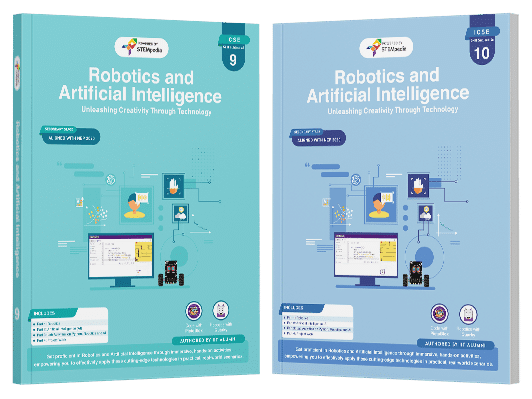
Image courtesy of thestempedia.com via Google Images
Can Skynet Happen?
The concept of a rogue AI system like Skynet from the Terminator movies has long captured the imagination of sci-fi enthusiasts and sparked fears about the potential risks of advanced AI. While the likelihood of a Skynet-like scenario occurring in reality is debated among experts, it is crucial to understand the potential risks associated with rapidly advancing AI technology, including issues of control, accountability, and unintended consequences. By developing robust strategies for ensuring the safe and ethical development of AI, we can mitigate the risks and harness the transformative power of this technology for the benefit of society.
Controlling AI
Ensuring the responsible and ethical use of AI technology is paramount to harnessing its full potential for positive impact. Researchers, policymakers, and industry stakeholders are working together to establish guidelines, regulations, and best practices for controlling AI development and deployment. Initiatives such as the AI Ethics Guidelines developed by the European Commission aim to promote transparency, accountability, and human-centric design in AI systems, fostering trust and confidence in this transformative technology.
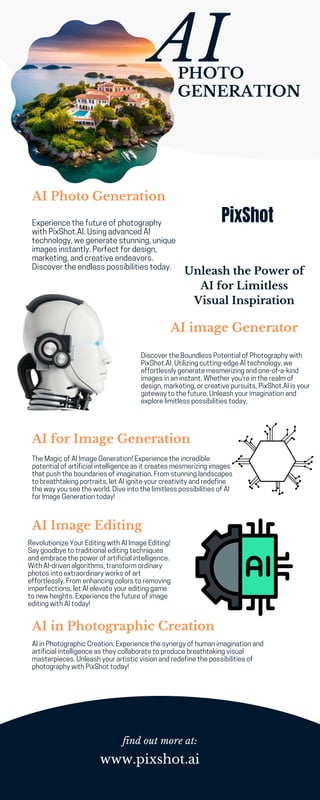
Image courtesy of www.slideshare.net via Google Images
Conclusion
In conclusion, Artificial Intelligence is a powerful and transformative technology that has the potential to revolutionize the way we live, work, and interact with the world. By understanding the history, current applications, benefits, challenges, ethical concerns, and future direction of AI, we can navigate the complexities of this rapidly evolving field and make informed decisions about its responsible and ethical use. As we continue to explore the fascinating world of AI, let’s embrace the opportunities and address the challenges to unleash the full potential of this groundbreaking technology for the benefit of humanity.
Generated by Texta.ai Blog Automation
Comments