
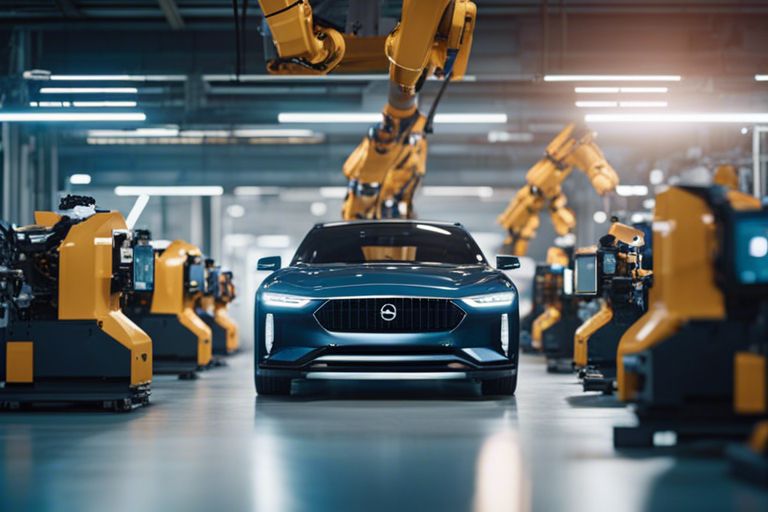
Innovation in artificial intelligence (AI) technology has revolutionized the automotive industry in profound ways. From self-driving cars to predictive maintenance, AI is fundamentally transforming the way vehicles are designed, produced, operated, and maintained. This groundbreaking technology has significantly improved vehicle safety, efficiency, and overall performance. In this blog post, we will explore the various ways AI is reshaping the automotive industry and discuss the implications of these advancements for the future of transportation.
AI Applications in Vehicle Manufacturing
Robotics and Automation on the Production Line
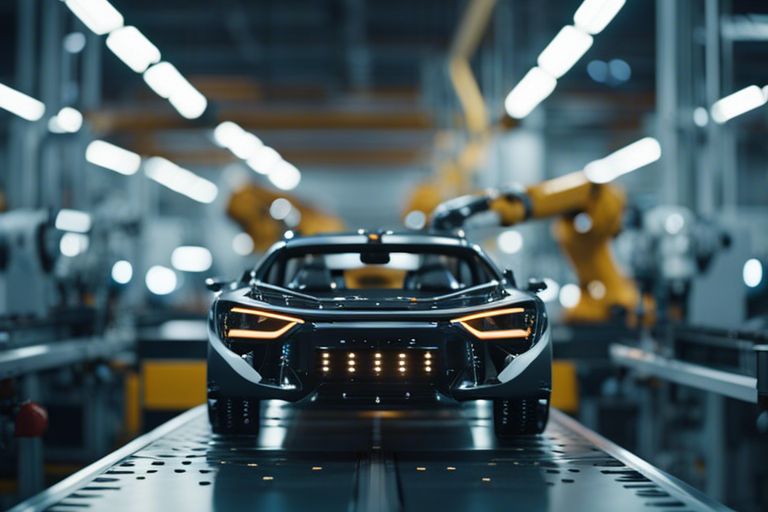
An integral aspect of AI applications in vehicle manufacturing is the use of robotics and automation on the production line. These technologies have significantly enhanced the efficiency and precision of manufacturing processes. Robots equipped with AI algorithms can perform tasks such as welding, painting, and assembly with a level of accuracy that surpasses human capabilities. This not only speeds up production but also ensures consistent quality across all vehicles.
Quality Control and Predictive Maintenance
Another critical area where AI is making a significant impact in vehicle manufacturing is in quality control and predictive maintenance. By harnessing the power of AI algorithms, manufacturers can detect defects in real-time and address them before they escalate into larger issues. Predictive maintenance algorithms can also anticipate when machinery is likely to fail, allowing for proactive maintenance to minimize downtime.
It is important to note that AI-enhanced quality control not only improves the overall quality of vehicles but also contributes to increased cost-effectiveness for manufacturers. By reducing the occurrence of defects and implementing predictive maintenance strategies, manufacturing plants can optimize their operations and minimize costly downtime.
Autonomous Vehicles
Evolution of Self-Driving Technology
Any discussion on autonomous vehicles must acknowledge the significant evolution of self-driving technology over the past few decades. What started as a futuristic concept in science fiction has now become a reality, thanks to advancements in artificial intelligence, machine learning, and sensor technology. From basic driver-assist features to fully autonomous vehicles, the journey has been nothing short of revolutionary.
Integration and Regulation Challenges
The integration of autonomous vehicles into existing transportation infrastructure poses unique challenges that need to be addressed. The regulatory framework for self-driving cars is still a work in progress, with issues relating to safety, liability, data privacy, and ethical considerations being at the forefront. The industry and policymakers must work together to establish clear guidelines and standards to ensure the safe deployment of autonomous vehicles on our roads.
This delicate balance between innovation and regulation is crucial in harnessing the full potential of autonomous vehicles while minimizing risks and addressing societal concerns. As technology continues to rapidly advance, a collaborative effort from all stakeholders is crucial to navigate the complexities of integrating and regulating autonomous vehicles effectively.
Enhancing Driver Experience
Personalized In-Car Assistance
Many advancements in artificial intelligence (AI) have paved the way for personalized in-car assistance, transforming the driver experience. Now, vehicles can provide tailored recommendations and adjustments based on individual preferences, making the driving journey more convenient and comfortable for the driver.
Safety Features and Advanced Driver-Assistance Systems (ADAS)
Any AI has revolutionized safety features in vehicles through Advanced Driver-Assistance Systems (ADAS). These systems utilize AI algorithms to enhance driver safety by providing real-time alerts, assisting in parking, and even enabling autonomous emergency braking.
- Types of Safety Features
- Benefits of ADAS
An increasing number of vehicles are equipped with Advanced Driver-Assistance Systems (ADAS), which use AI to detect obstacles, pedestrians, and other vehicles on the road. These systems can alert drivers to potential collisions and even take corrective actions to prevent accidents. By leveraging AI technology, vehicles can now offer an additional layer of safety and convenience to drivers.
- Collision Warning Systems
- Lane Keep Assist
AI in Automotive Business Strategy
Impact on Supply Chain and Logistics
Businesses in the automotive industry are leveraging AI to optimize their supply chain and logistics operations. AI algorithms can analyze vast amounts of data to forecast demand, manage inventory levels effectively, and streamline transportation routes. This leads to reduced costs, improved efficiency, and better overall performance throughout the supply chain.
AI’s Role in Marketing and Customer Relations
AI plays a crucial role in transforming marketing and customer relations in the automotive industry. By utilizing AI-powered tools like chatbots, predictive analytics, and personalized recommendations, automotive companies can create targeted marketing campaigns, enhance customer experiences, and build long-lasting relationships with their clients. This personalized approach helps companies stay ahead of the competition and drive customer loyalty.
Logistics
AI in logistics is revolutionizing the way automotive companies manage their transportation and warehousing operations. By implementing AI-driven technologies such as autonomous vehicles, route optimization software, and predictive maintenance tools, businesses can improve delivery times, minimize delays, and reduce overall costs. This ultimately leads to a more efficient and reliable logistics process, benefiting both the company and its customers.
To wrap up
Taking this into account, it is clear that AI is revolutionizing the automotive industry in various ways. From enhancing driver safety with advanced driver-assistance systems to improving customer experience through personalized features, AI is reshaping the future of transportation. By leveraging machine learning, predictive analytics, and autonomous capabilities, automotive companies are able to create innovative solutions that not only streamline operations but also redefine the driving experience. As AI continues to evolve and develop, we can expect to see even more groundbreaking advancements that will further transform the automotive industry and pave the way for a more intelligent and efficient transportation ecosystem.
Comments