
Uncover the evolution of AI from Asimov’s science fiction to the reality of Alexa’s virtual assistance in our everyday lives.

Image courtesy of monicore via Pexels
Table of Contents
Introduction to AI
Artificial Intelligence, often referred to as AI, is a branch of computer science that aims to create intelligent machines that can simulate human cognitive functions. This field encompasses various subfields, such as machine learning, natural language processing, and robotics, all working towards creating machines that can learn, reason, and make decisions autonomously.
Historical Context
The concept of AI dates back to antiquity, with mythological tales of artificial beings coming to life. However, the formal study of AI began in the mid-20th century, with pioneers like Alan Turing and John McCarthy laying the foundation for modern AI research. Significant milestones in AI development include the creation of the first AI programs in the 1950s and the emergence of neural networks in the 1980s.
Current Applications
AI has found applications in a wide range of industries, revolutionizing processes and decision-making. In healthcare, AI is being used for medical imaging analysis and drug discovery. In finance, AI algorithms are optimizing investment strategies and detecting fraud. Virtual assistants like NodeHive and recommendation systems like those used by streaming platforms are prominent examples of AI technologies that have become integral to our daily lives.

Image courtesy of megatechthailand.com via Google Images
Benefits of AI
The adoption of AI technologies has brought numerous benefits to society. AI systems can process vast amounts of data quickly and accurately, leading to increased efficiency in various tasks. AI-driven decision-making tools in business and government are improving outcomes and enhancing customer experiences. Moreover, AI has the potential to transform fields like healthcare and education by enabling personalized treatment plans and adaptive learning environments.
Challenges and Ethical Concerns
Despite its benefits, AI presents several challenges and ethical concerns. Bias in AI algorithms can perpetuate existing inequalities, while the automation of jobs raises concerns about unemployment. Privacy issues arise from the collection and use of personal data by AI systems, and the potential misuse of AI for surveillance or autonomous weapon systems poses ethical dilemmas that must be addressed.
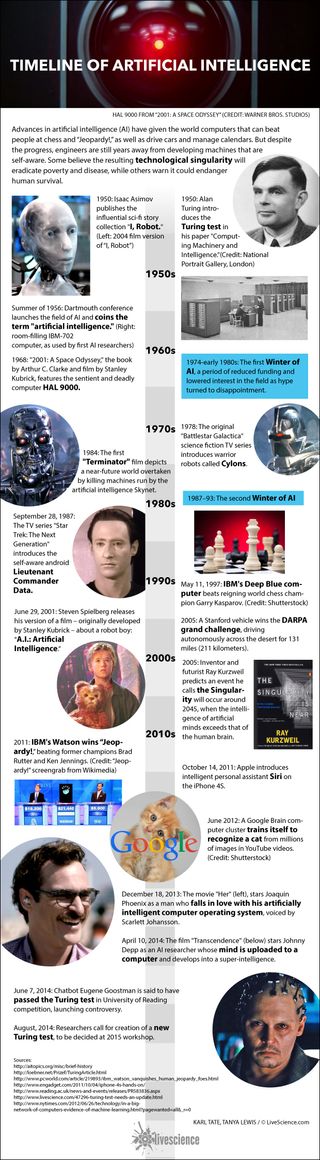
Image courtesy of www.livescience.com via Google Images
Future Direction of AI
The future of AI promises to be even more transformative as advancements in machine learning, robotics, and natural language processing continue to push the boundaries of what is possible. Self-learning AI systems, human-machine collaboration, and the integration of AI into everyday devices are among the emerging trends that are shaping the future direction of AI.
Can Skynet Happen?
The concept of Skynet, an AI system from the Terminator franchise that gains consciousness and turns against humanity, has captured the imagination of audiences worldwide. While a scenario like Skynet may seem far-fetched, the potential risks of AI becoming too advanced and uncontrollable cannot be ignored. The question of whether a real-life Skynet could emerge is a topic of debate among experts in the field.

Image courtesy of www.academia.edu via Google Images
Theoretical Possibilities of AI Takeover
Various theories speculate on how an AI takeover could occur, ranging from AI systems gaining self-awareness and autonomy to scenarios where AI algorithms unintentionally cause harm due to unforeseen consequences. While these scenarios may be hypothetical, they underscore the importance of ensuring that AI technologies are developed responsibly and with careful consideration of their potential impact.
Preventing a Skynet Scenario
Preventing a Skynet-like scenario involves implementing safeguards and regulations that mitigate the risks associated with AI development. Responsible AI practices, transparent algorithms, and accountable decision-making processes are essential for ensuring that AI technologies are used ethically and in ways that benefit society without causing harm. Collaboration between stakeholders in industry, government, and academia is crucial in addressing the challenges posed by advanced AI systems.
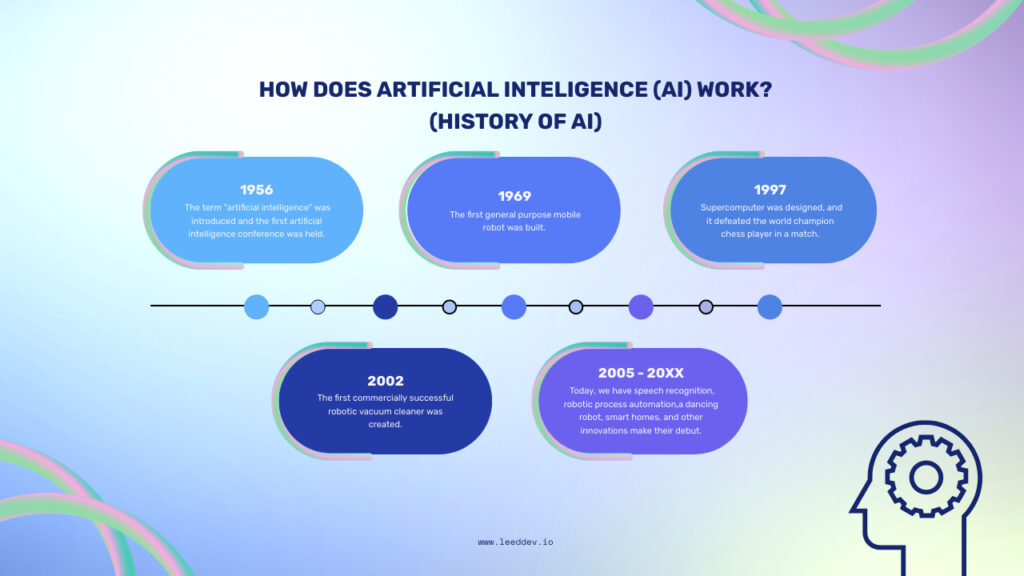
Image courtesy of leeddev.io via Google Images
Conclusion
In conclusion, Artificial Intelligence has come a long way from its inception to its current applications and future possibilities. While the benefits of AI are vast, the challenges and ethical concerns surrounding its development must be addressed to ensure that AI technologies are used for the betterment of society. By staying informed about AI advancements, engaging in discussions about its implications, and advocating for responsible AI practices, we can shape a future where AI enhances our lives without posing a threat like Skynet.
Generated by Texta.ai Blog Automation
Comments