
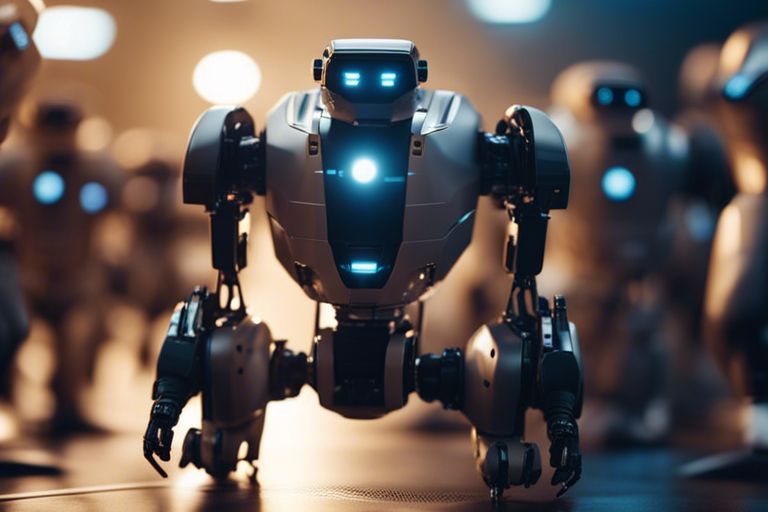
Most experts in the field of artificial intelligence agree that swarm intelligence is set to revolutionize the way AI systems operate in the future. By drawing inspiration from the collective behavior of decentralized, self-organized systems in nature such as flocks of birds or colonies of ants, swarm intelligence allows AI algorithms to work collaboratively towards a common goal. This innovative approach holds the potential to greatly enhance the capabilities of AI systems by enabling them to efficiently solve complex problems and adapt to dynamic environments in real-time. However, it also poses challenges such as ensuring the security and privacy of data in interconnected systems and addressing ethical concerns surrounding autonomous decision-making. As we look ahead, it is evident that swarm intelligence will play a crucial role in shaping the future of AI and advancing technological possibilities.
Key Takeaways:
- Swarm intelligence is expected to revolutionize AI: Swarm intelligence, inspired by the collective behavior of natural organisms like ants and bees, holds the potential to transform the future of artificial intelligence.
- Enhanced problem-solving: Swarm intelligence algorithms can enhance problem-solving capabilities in AI systems by fostering collaboration and information-sharing among multiple agents.
- Improved adaptability: The decentralized nature of swarm intelligence enables AI systems to be more adaptable to changing environments and circumstances, leading to greater resilience and flexibility.
- Efficient optimization: Swarm intelligence techniques can optimize complex processes by leveraging the power of collective decision-making and self-organization, resulting in more efficient solutions.
- Applications across industries: From traffic management and supply chain optimization to cybersecurity and healthcare, swarm intelligence is poised to have a wide range of applications across various industries, making it a key player in the future of AI.

Fundamental Principles of Swarm Intelligence in AI
Decentralization and Autonomy
Now, one of the fundamental principles of swarm intelligence in AI is decentralization and autonomy. In a swarm intelligence system, individual agents operate with a high degree of independence, making decisions based on local information and interactions with neighboring agents. This decentralized approach allows for efficient problem-solving and decision-making without the need for centralized control.
Scalability and Robustness
One of the fundamental principles of swarm intelligence in AI is scalability and robustness. To ensure a swarm intelligence system can handle a large number of agents and tasks, it must be scalable, able to adapt and grow as needed. Additionally, the system must be robust, able to continue functioning effectively even when individual agents fail or are removed from the system.
To achieve scalability and robustness, swarm intelligence algorithms are designed to be distributed and redundant, with multiple agents capable of taking on the same task. This redundancy helps prevent system failure in case of agent malfunction or loss, ensuring the overall performance and reliability of the system.
Applications of Swarm Intelligence
Robotics and Autonomous Systems
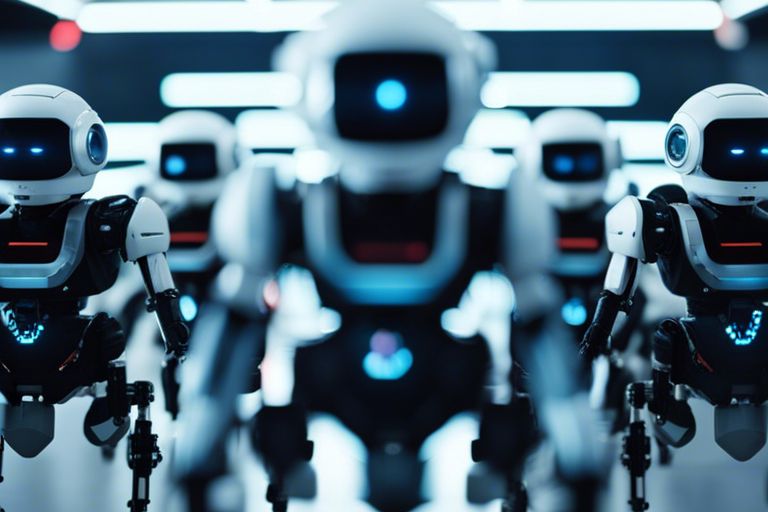
Even in robotics and autonomous systems, swarm intelligence is making waves. By emulating the collective behavior of swarms of insects or animals, robotic systems can work together seamlessly to achieve complex tasks. This approach enables robots to adapt to dynamic environments, collaborate efficiently, and self-organize without the need for centralized control.
Optimization and Problem-Solving
Any task that requires optimization and problem-solving can benefit greatly from swarm intelligence. From route optimization and scheduling in logistics to financial market analysis and data clustering, swarm algorithms offer a powerful solution to complex problems. By leveraging the collective wisdom of a group, these algorithms can efficiently explore solution spaces and find optimal outcomes.
One example of how swarm intelligence is applied in optimization is the ant colony optimization (ACO) algorithm. Inspired by the foraging behavior of ants, ACO is used to find the shortest path in a graph. Each ant deposits pheromones on the edges it traverses, and over time, the paths with higher pheromone concentrations become more attractive, leading to the discovery of optimal routes.
Autonomous vehicles also stand to benefit from swarm intelligence by enabling them to communicate and coordinate with each other on the road. This would significantly enhance safety, efficiency, and traffic flow, reducing accidents and congestion while maximizing the overall performance of the transportation system.
Integration of Swarm Intelligence with Other AI Technologies
All Is swarm intelligence the future of intelligent life? AI technologies are advancing rapidly, and the integration of swarm intelligence with other AI technologies holds great promise for the future. By combining the collective intelligence of decentralized, self-organized systems with traditional AI algorithms, we can unlock new possibilities and significantly enhance the capabilities of AI systems.
Machine Learning and Data Mining
One key area where swarm intelligence can complement other AI technologies is in machine learning and data mining. By leveraging the principles of collective decision-making and adaptability found in swarm intelligence, algorithms can better navigate complex datasets, identify patterns, and make more accurate predictions. Swarm intelligence can enhance the efficiency and effectiveness of machine learning models, leading to improved outcomes and insights for businesses and researchers.
The Internet of Things (IoT) and Cyber-Physical Systems
To fully capitalize on the potential of the Internet of Things (IoT) and Cyber-Physical Systems, integrating swarm intelligence can revolutionize how these systems operate. Things connected in IoT networks have the capability to autonomously communicate and make decisions based on real-time data. By incorporating swarm intelligence, these systems can collectively adapt to changing environments and optimize their performance.
This dynamic adaptability is crucial for ensuring efficient and effective operation of IoT devices and cyber-physical systems, especially in complex and unpredictable environments.
Challenges and Ethical Considerations
Unlike traditional AI systems, swarm intelligence leverages the collective behavior of decentralized, self-organized systems to solve complex problems effectively. If you are interested in learning more about swarm intelligence, you can check out Swarm Intelligence – an overview. This innovative approach presents unique challenges and ethical considerations that need to be addressed for its successful integration into the future of AI.
Technical and Implementation Challenges
Technical challenges in swarm intelligence applications include scalability issues, managing dynamic environments, ensuring robustness against failures, and optimizing algorithms for real-time processing. Implementing swarm intelligence systems may require extensive computational resources and expertise, making it challenging for widespread adoption across industries.
Social Impact and Ethical Concerns
The social impact and ethical concerns related to swarm intelligence primarily revolve around issues of privacy, security, and transparency. The potential misuse of swarm intelligence for surveillance purposes or manipulation of public opinion raises significant ethical dilemmas that must be carefully regulated. Moreover, ensuring the accountability and fairness of decisions made by swarm intelligence algorithms is crucial to prevent bias and discrimination.
Implementation of swarm intelligence technologies should involve thorough risk assessments and rigorous ethical guidelines to safeguard against potential harm. By addressing these challenges and ethical considerations proactively, we can harness the power of swarm intelligence in AI responsibly and ethically for the betterment of society.

To wrap up
As a reminder, swarm intelligence will continue to play a crucial role in the future of AI. By mimicking the collective behavior of natural systems, such as insects or birds, this approach enables AI systems to tackle complex problems with efficiency and adaptability. As technology advances, we can expect to see swarm intelligence being applied in various fields, from healthcare to robotics, revolutionizing the way we approach AI. It provides a promising avenue for developing more robust and intelligent systems that can address challenges beyond the capabilities of traditional AI algorithms. The future of AI is undoubtedly intertwined with the potential of swarm intelligence, paving the way for innovative solutions that can shape the world we live in.
FAQ
Q: What is Swarm Intelligence?
A: Swarm Intelligence is a collective behavior of decentralized, self-organized systems which are inspired by the collective intelligence of social insects like ants, bees, and termites. It involves multiple individuals working together to solve complex problems.
Q: How does Swarm Intelligence relate to Artificial Intelligence (AI)?
A: Swarm Intelligence is being increasingly used in AI systems to improve decision-making, problem-solving, and optimization. It can enhance the performance of AI algorithms by mimicking the behavior of natural swarms.
Q: What role will Swarm Intelligence play in the future of AI?
A: Swarm Intelligence is expected to play a significant role in the future of AI by enabling more efficient and adaptive systems. It can lead to advancements in various fields such as robotics, data analytics, and optimization.
Q: What are some real-world applications of Swarm Intelligence in AI?
A: Swarm Intelligence is already being applied in various industries such as transportation (traffic optimization), finance (stock market analysis), and healthcare (disease diagnosis). It is also used in swarm robotics for coordinated tasks.
Q: How can businesses leverage Swarm Intelligence in AI for competitive advantage?
A: Businesses can leverage Swarm Intelligence in AI to improve decision-making processes, enhance operational efficiency, and gain insights from large datasets. By harnessing the collective intelligence of swarms, organizations can stay ahead in a competitive market.
Comments