

Uncover the intricate web of artificial intelligence with this comprehensive guide on its advantages, obstacles, and moral implications.

Table of Contents
Artificial Intelligence, commonly known as AI, has become an integral part of our daily lives, from virtual assistants on our smartphones to recommendation algorithms on streaming platforms. This powerful technology has a rich history and continues to shape the way we live, work, and interact in the digital age.
Starting with the origins of AI, this blog will delve into the historical context of this fascinating field, exploring key milestones and breakthroughs that have paved the way for its current applications and future advancements.
Historical Context
AI traces its roots back to the 1950s when scientists and mathematicians first began to explore the concept of creating machines that could mimic human intelligence. One of the most significant events in AI history was the Dartmouth Conference in 1956, where the term ‘artificial intelligence’ was coined.
Over the decades, AI has evolved from simple rule-based systems to complex neural networks and deep learning algorithms. Researchers and innovators have made remarkable progress in developing AI technologies that can analyze data, recognize patterns, and make autonomous decisions.
Current Applications
Today, AI is being used across various industries, from healthcare and finance to transportation and entertainment. Self-driving cars, chatbots, and personalized recommendations are just a few examples of how AI is transforming our world.
In healthcare, AI is revolutionizing diagnostics, drug discovery, and patient care. In finance, AI-powered algorithms are helping companies make faster and more accurate investment decisions. The possibilities are endless, and the potential benefits are immense.
Benefits of AI
The benefits of AI are vast and far-reaching. AI technologies can streamline processes, increase efficiency, and improve decision-making. By automating repetitive tasks and analyzing vast amounts of data, AI enables businesses to stay competitive and innovative in today’s fast-paced world.
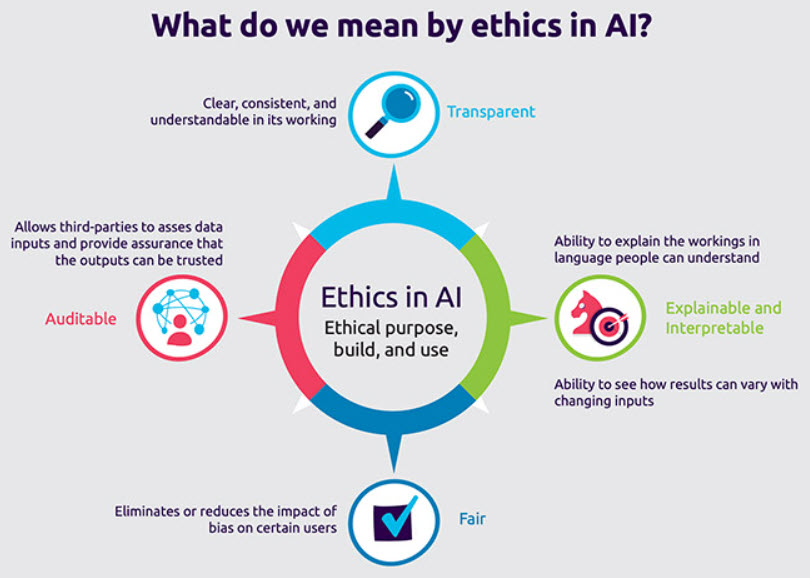
Image courtesy of www.markovml.com via Google Images
In healthcare, AI can help doctors diagnose diseases faster and more accurately, leading to better patient outcomes. In education, AI-powered tutoring systems can personalize learning experiences for students, catering to their individual needs and learning styles.
Challenges and Ethical Concerns
Despite its numerous benefits, AI also poses significant challenges and ethical concerns. Job displacement, privacy violations, and bias in AI algorithms are just a few of the issues that society must address as AI technology continues to advance.
Responsible AI development and regulation are crucial to ensuring that AI is used ethically and for the greater good of humanity. Companies and policymakers must work together to establish guidelines and safeguards that protect individuals’ rights and prevent the misuse of AI technology.
Future Direction of AI
Looking ahead, the future of AI holds incredible promise and potential. Advancements in deep learning, reinforcement learning, and natural language processing are opening up new possibilities for AI applications across various domains.
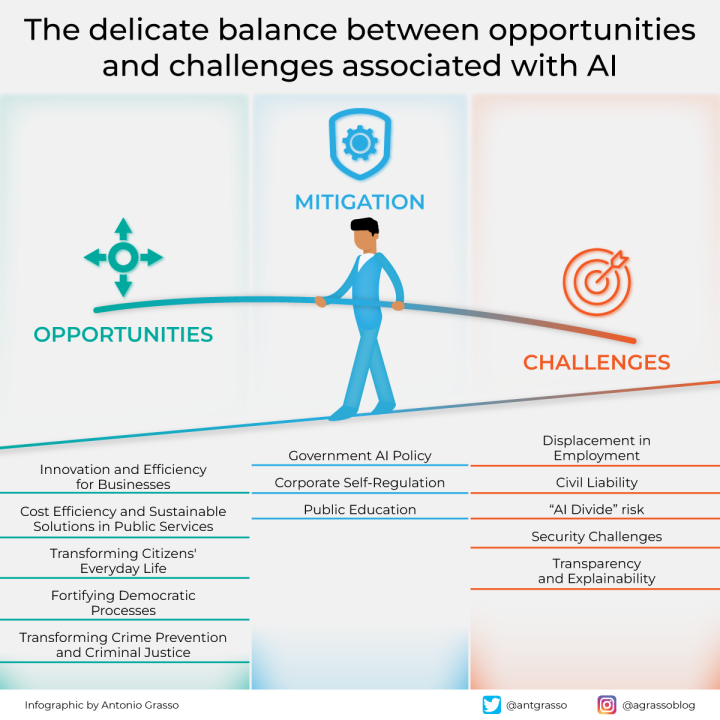
Image courtesy of www.linkedin.com via Google Images
From autonomous vehicles to personalized medicine, AI is poised to revolutionize industries and improve the quality of life for people around the world. As researchers and developers continue to push the boundaries of AI technology, the possibilities are endless.
The Role of AI in Society
AI’s impact on society goes beyond technological advancements. It has the power to shape social norms, values, and interactions in ways we have yet to fully understand. By addressing social inequalities and empowering marginalized communities, AI has the potential to create a more inclusive and equitable society.
As we navigate the ever-evolving AI landscape, it is essential to consider the implications of AI on our daily lives and the world around us. By fostering open dialogue and collaboration, we can ensure that AI technology serves the greater good and enhances our collective well-being.
Conclusion
In conclusion, AI is a powerful tool that has the potential to transform the way we live, work, and interact with the world around us. By understanding the benefits, challenges, and ethical implications of AI technology, we can harness its potential for good and shape a future that is inclusive, innovative, and sustainable.
Comments