

Discover the fascinating world of Artificial Intelligence and unravel its mysteries with this comprehensive introduction to AI technology.

Table of Contents
Artificial intelligence (AI) is a technology that has been rapidly advancing in recent years, shaping the way we live, work, and interact with the world around us. In this blog post, we will embark on a journey to explore the vast realm of AI, delving into its historical context, current applications, benefits, challenges, ethical concerns, future direction, and the intriguing question of whether something like Skynet can actually happen.
Historical Context of AI
The concept of artificial intelligence has been around for decades, with early pioneers like Alan Turing laying the groundwork for the development of intelligent machines. Over the years, AI has seen significant advancements, from early symbolic reasoning systems to the deep learning algorithms that power today’s AI technologies.
Current Applications of AI
AI is being harnessed across various industries and sectors, revolutionizing processes and driving innovation. From personalized recommendations on streaming platforms to autonomous vehicles on our roads, AI is increasingly becoming an integral part of our daily lives. Healthcare, finance, and transportation are just a few examples of industries leveraging AI to improve efficiency and enhance decision-making.
Benefits of AI
The benefits of AI are vast and diverse. By automating repetitive tasks and analyzing vast amounts of data at speeds far beyond human capability, AI can help businesses boost productivity and make more informed decisions. In healthcare, AI is enabling early disease detection and personalized treatment plans, potentially saving lives and reducing healthcare costs.

Image courtesy of leeddev.medium.com via Google Images
Challenges and Ethical Concerns of AI
While the potential benefits of AI are clear, there are also significant challenges and ethical concerns that must be addressed. The rise of automation and AI-driven technologies has raised fears about job displacement and income inequality. Moreover, the ethical implications of AI decision-making, data privacy issues, and bias in algorithms are pressing concerns that require thoughtful consideration.
Future Direction of AI
Looking ahead, the future of AI holds boundless possibilities. With ongoing advancements in machine learning, natural language processing, and robotics, AI technologies are expected to evolve rapidly. Innovations in areas like autonomous systems, healthcare diagnostics, and personalized learning hold the promise of transforming industries and improving quality of life.
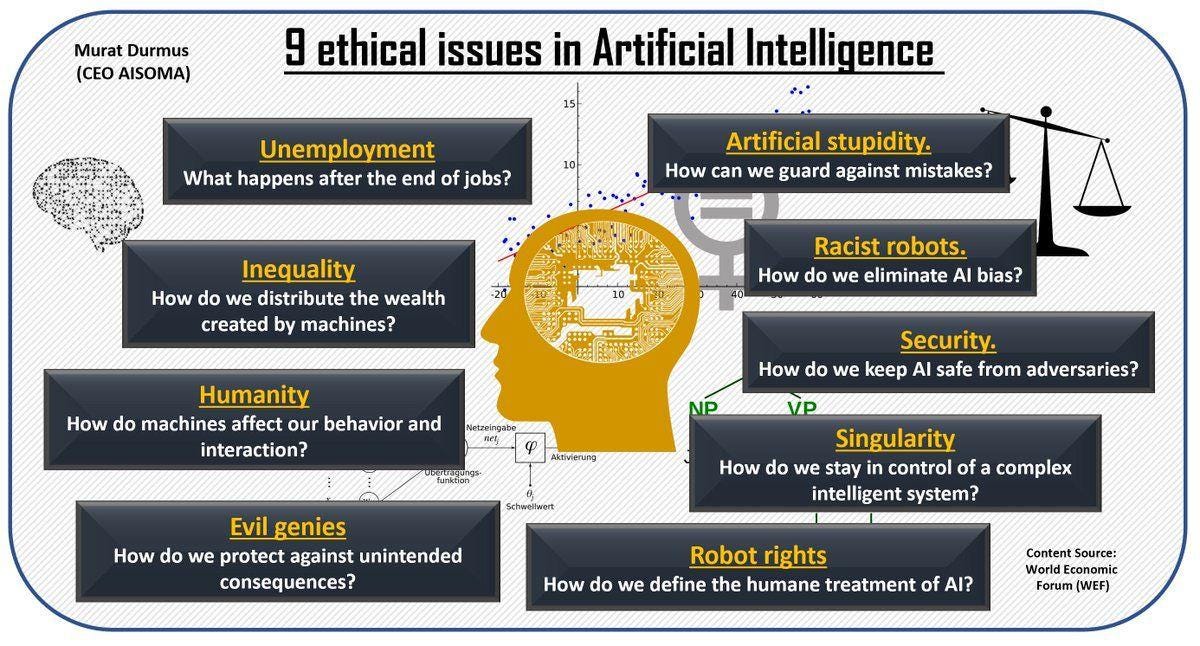
Image courtesy of aisupremacy.substack.com via Google Images
Can Skynet Happen?
The idea of a dystopian future where AI takes control, as portrayed in the film “Terminator,” is a fascinating yet unsettling prospect. While the likelihood of a scenario like Skynet coming to fruition in real life is debatable, the risks associated with AI must be acknowledged and mitigated. Ensuring responsible AI development, regulatory oversight, and safeguards against misuse are crucial steps in preventing any potential AI catastrophe.
Mitigating Risks of AI
To address the risks associated with AI, proactive measures must be taken to ensure the safe and ethical development and deployment of AI technologies. Regulatory frameworks, transparency in AI decision-making processes, and accountability for algorithmic biases are essential components of responsible AI stewardship. By fostering a culture of ethical and responsible AI use, we can harness the full potential of AI while mitigating its risks.

Image courtesy of www.linkedin.com via Google Images
Public Perception of AI
Public attitudes towards AI play a significant role in shaping the future of AI technologies. Addressing misconceptions, building trust through transparency, and engaging in open dialogue about the benefits and risks of AI are essential to fostering a positive perception of AI among the general public. By promoting awareness and understanding of AI, we can build a foundation for ethical and responsible AI adoption.
The Intersection of AI and Human Intelligence
One of the most intriguing aspects of AI is its potential to augment human intelligence and enhance our capabilities. By working in tandem with AI technologies, humans can leverage the computational power and analytical capabilities of AI to solve complex problems, make data-driven decisions, and unlock new opportunities for innovation. The collaboration between AI and human intelligence holds the key to unlocking the full potential of AI technologies and driving positive societal impact.
In conclusion, artificial intelligence is a transformative technology that is reshaping the way we live and work. By understanding the historical context, current applications, benefits, challenges, and ethical considerations of AI, we can navigate the complexities of this rapidly evolving field and harness its potential for positive change. As we continue to explore the mysteries of AI and its implications for society, it is imperative that we approach AI development with caution, responsibility, and a commitment to ethical principles.
Comments