

Uncover the incredible evolution of artificial intelligence from its inception to the cutting-edge advancements shaping our future. Explore now!

Table of Contents
Welcome to our daily blog series, where we delve into the fascinating world of artificial intelligence (AI). In this post, we will provide an in-depth exploration of AI, covering everything from its historical context to current applications, benefits, challenges, and ethical concerns, all the way to its future direction and the possibility of a Skynet-like scenario. Let’s dive in and uncover the past, present, and future of artificial intelligence.
Introduction to AI
Artificial intelligence, or AI, is a branch of computer science that aims to create intelligent machines capable of performing tasks that typically require human intelligence. These tasks include problem-solving, decision-making, and perception. AI technology has become increasingly prevalent in today’s society, with applications ranging from virtual assistants like Siri and Alexa to self-driving cars and advanced medical diagnostic systems.
Historical Context of AI
AI has a rich history dating back to the 1950s when the term was first coined. Over the years, significant milestones have been achieved in the field of artificial intelligence, including the development of expert systems, neural networks, and machine learning algorithms. Early pioneers in AI such as Alan Turing and John McCarthy laid the groundwork for the advancements we see today.
Current Applications of AI
Today, AI technology is being used in a wide range of industries, from healthcare and finance to transportation and entertainment. Machine learning algorithms are powering recommendation systems on streaming platforms like Netflix, while natural language processing is enabling chatbots to provide customer service around the clock. AI is also being utilized for predictive analytics and fraud detection in the financial sector.

Image courtesy of www.linkedin.com via Google Images
Benefits of AI
The benefits of AI technology are vast and varied. AI can automate routine tasks, freeing up human workers to focus on more strategic initiatives. AI-powered systems can analyze vast amounts of data quickly and accurately, leading to improved decision-making and problem-solving. In healthcare, AI is helping to diagnose diseases earlier and more accurately, potentially saving lives.
Challenges and Ethical Concerns of AI
Despite its advantages, AI technology also faces challenges and ethical concerns. One major challenge is the potential for bias in AI algorithms, which can lead to discriminatory outcomes. Privacy concerns have also been raised, especially in the context of data collection and surveillance. Additionally, the question of AI ethics, including issues of accountability and transparency, remains a topic of debate.

Image courtesy of www.linkedin.com via Google Images
Future Direction of AI
The future of artificial intelligence holds exciting possibilities. Advancements in deep learning, reinforcement learning, and quantum computing are poised to unlock new capabilities in AI technology. As AI continues to evolve, we can expect to see improvements in areas such as healthcare, robotics, and autonomous vehicles. The development of artificial general intelligence (AGI) remains a long-term goal for researchers in the field.
Can Skynet Happen?
The concept of a sentient AI like Skynet from the Terminator movies has captured the imagination of many. While the idea of a rogue AI system taking over the world may seem like science fiction, experts in the field of artificial intelligence have raised concerns about the potential risks associated with AI. Factors such as the alignment problem, where AI systems may not align with human values, and the control problem, where AI systems could become uncontrollable, are critical considerations in AI development.
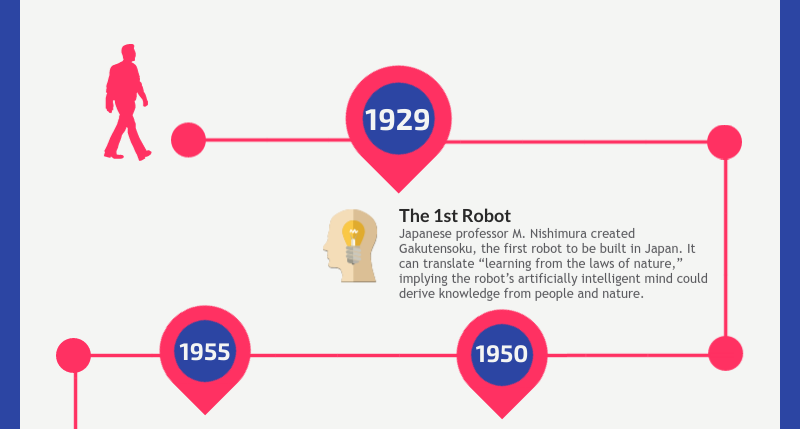
Image courtesy of codecondo.com via Google Images
Case Studies of AI
Case studies of successful AI implementations provide tangible examples of the impact of AI on businesses and organizations. Companies like Amazon, Google, and Facebook have leveraged AI technology to streamline operations, personalize user experiences, and drive innovation. AI has transformed industries such as e-commerce, advertising, and healthcare, demonstrating the practical applications of artificial intelligence.
AI and Society
The integration of AI technology into society raises important social implications. Concerns about job displacement due to automation and the widening gap between those who have access to AI tools and those who do not are pressing issues. The ethical considerations surrounding AI, including questions of fairness, accountability, and transparency, require careful attention as AI continues to permeate various aspects of our lives.

Image courtesy of www.analyticsinsight.net via Google Images
Conclusion
In conclusion, artificial intelligence has evolved significantly since its inception, shaping the way we live, work, and interact with technology. As AI technology continues to advance, it is essential to consider the benefits, challenges, and ethical concerns associated with AI development. By exploring the past, present, and future of artificial intelligence, we can foster a deeper understanding of this transformative technology and its implications for society.
Comments