

Intellect plays a central role in distinguishing human thought processes from artificial intelligence. As advancements in artificial general intelligence (AGI) continue to blur these boundaries, you may find yourself questioning how similarities between your cognitive functions and synthetic cognition can manifest. This post will examine into the nuances of AGI development, exploring the potential convergence of intellectual traits and behaviors found in humans and machines, as well as the implications for society and your understanding of what it means to think critically in an age of intelligent systems.
Key Takeaways:
- Distinction Challenge: The development of AGI raises questions about the clear differentiation between human intellect and artificial cognition, potentially leading to misconceptions about their similarities.
- Perception Shift: As AGI systems become more sophisticated, there may be a shift in public perception, where synthetic cognition is increasingly viewed as equivalent to human intelligence.
- Ethical Implications: Conflating human intellect with synthetic cognition brings forth ethical dilemmas regarding agency, responsibilities, and the treatment of AGI entities in society.
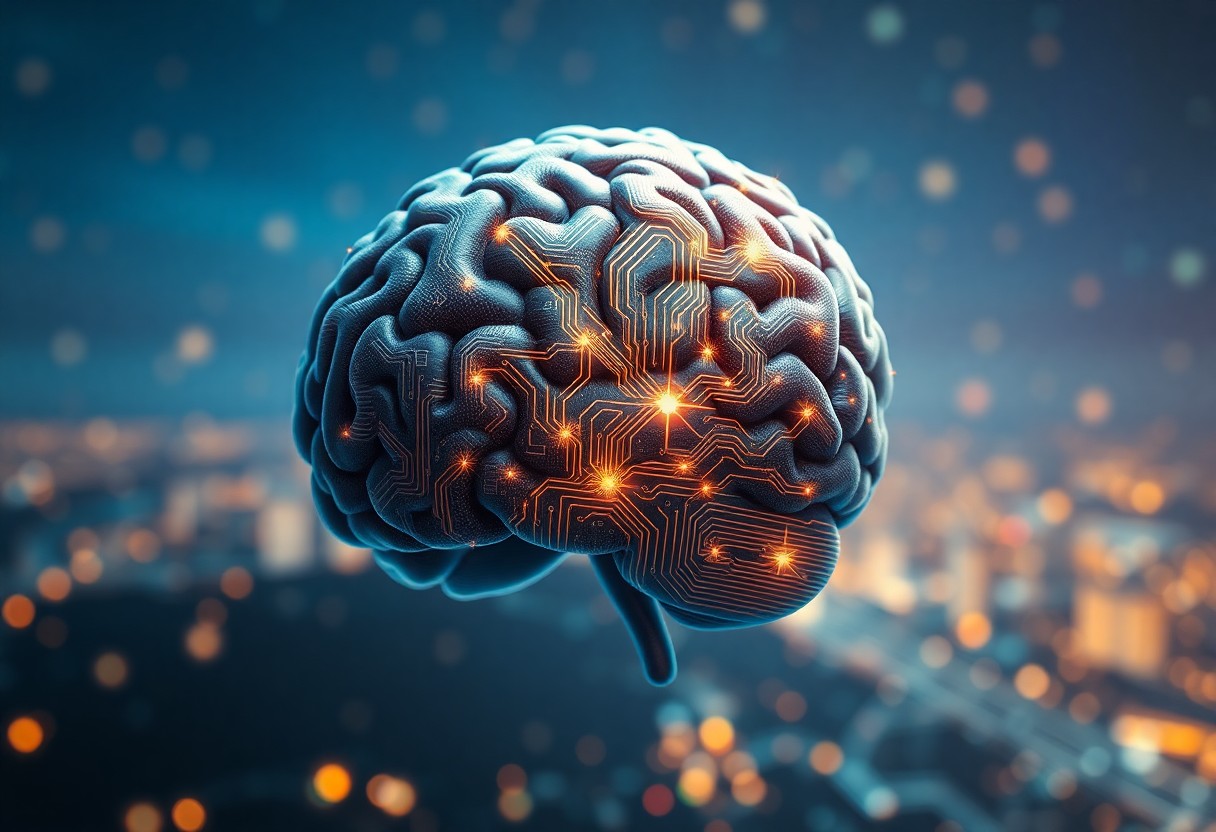
Defining Artificial General Intelligence (AGI)
To understand Artificial General Intelligence (AGI), you must recognize it as the type of artificial intelligence that can comprehend, learn, and apply knowledge across a wide range of tasks, akin to human cognitive abilities. Unlike narrow AI, which is designed for specific tasks, AGI represents a significant leap forward in creating machines capable of reasoning, problem-solving, and understanding concepts in a flexible manner. This versatility is what positions AGI as the ultimate ambition in the field of artificial intelligence, aiming to emulate the full scope of human intellect.
Characteristics of AGI
An embodiment of human-like reasoning, AGI demonstrates several key characteristics you should consider. First, adaptability is paramount; an AGI system can adjust and learn from new experiences, much like you do when encountering unforeseen challenges. Second, AGI possesses the ability to generalize knowledge across various domains, allowing it to transfer skills and insights from one area to another. This trait is what distinguishes AGI from other AI forms, which often struggle with context-switching or applying learned knowledge in unfamiliar settings.
Historical Context and Development
On the journey to develop AGI, you will find a rich history filled with milestones that highlight both the aspirations and challenges faced by researchers. The field emerged in the 1950s, marked by pioneering figures like Alan Turing and John McCarthy, who laid foundational concepts for machine intelligence. Over the decades, advancements in computing power and algorithms have fueled your understanding and expectations of AGI, transitioning from theoretical ideals to tangible prototypes. Nonetheless, the quest for achieving true AGI remains laden with complex questions about ethics, machine consciousness, and the nature of intelligence itself.
Historical efforts to create AGI have encountered various phases of optimism and skepticism. The early days focused largely on rule-based systems and symbolic reasoning, which laid the groundwork for current AI methodologies but also revealed limitations in handling real-world complexity. In the 1980s and 1990s, a shift towards connectionist approaches, particularly neural networks, rekindled optimism in the pursuit of AGI. As you explore this historical narrative, you will see how breakthroughs in machine learning and cognitive science continue to shape the conversation around the possibilities and implications of achieving a truly general form of artificial intelligence.
Human Intellect: Key Features
One of the most fascinating aspects of human intellect lies in its multifaceted nature. The combination of various features makes your cognitive abilities unique and sophisticated. Here are some of the key characteristics that define human intellect:
- Reasoning and Problem Solving
- Learning from Experience
- Language and Communication Skills
- Emotional Intelligence
- Creativity and Adaptability
- Social Interactions
- Self-Awareness
- Critical Thinking
This intricate blend of features not only sets humanity apart from other species but also presents a benchmark for assessing synthetic cognition.
Emotional Intelligence
Along with cognitive abilities, emotional intelligence plays a pivotal role in shaping your interactions and understanding of the world. It encompasses your capacity to recognize, understand, and manage your own emotions, as well as the emotions of others. This skill enables you to navigate complex social dynamics effectively. Moreover, emotional intelligence can significantly influence your decision-making process and the way you respond to stress and adversity.
A strong degree of emotional intelligence allows you to empathize with others, fostering deeper connections and communication. This aspect of human intellect is fundamental in both personal relationships and professional environments, highlighting why it is an crucial feature to consider when comparing it to synthetic cognition.
Creativity and Adaptability
Creativity in human intellect manifests as the ability to generate original ideas, approaches, and solutions. This ability is closely intertwined with adaptability, as it allows you to adjust your thinking and behavior in response to changing circumstances and new information. The capacity for creative problem-solving means that you can see beyond the conventional and envision possibilities, even in unpredictable environments.
Hence, creativity and adaptability serve as a powerful combination that enhances your cognitive flexibility. This combination enables you to respond to novel challenges and allows for innovation—traits that synthetic cognition has yet to fully replicate. The interplay between these factors highlights the distinctiveness of human intellect, underscoring your ability to navigate complex emotional and intellectual landscapes.
Synthetic Cognition versus Human Cognition
Your understanding of cognition is often broadened when you explore the fundamental differences between human and synthetic systems. While both are capable of learning and reasoning, the methods they employ are remarkably different. Human cognition encompasses emotions, past experiences, and social contexts, allowing for nuanced decision-making. In contrast, synthetic cognition primarily relies on algorithms and data-driven analysis. The reliance on computational models means that synthetic systems can rapidly process information and discover patterns without the emotional interference that often characterizes human thought. This divergence raises significant questions about the implications of integrating artificial general intelligence into human-like reasoning frameworks.
Mechanisms of Learning and Reasoning
Cognition, at its core, is about how systems acquire knowledge and apply it in various situations. In humans, learning is a multifaceted process, heavily influenced by sensory experiences, emotions, and social interactions. You engage with the world through not only logical deduction but also through intuition and empathy, which serve as invaluable components of decision-making. On the other hand, synthetic cognition has a more streamlined approach. Machine learning algorithms can be trained on vast datasets, allowing them to identify trends and make predictions based on statistical probabilities rather than emotional insights. While this can lead to highly efficient processing, the lack of emotional depth restricts the richness of understanding that can be achieved.
Limitations of Synthetic Systems
Reasoning in synthetic systems comes with notable limitations. Despite their capacity for numerical analysis and pattern recognition, they lack the ability to interpret context in the same way humans do. For you, the emotional weight behind decisions often plays a pivotal role; synthetic systems, however, operate devoid of such intricacies. If a synthetic system encounters a novel scenario or one outside its training data, it may struggle to adapt, revealing its reliance on historical inputs. This limitation becomes particularly significant when considering ethical dilemmas or complex social situations, where the subtleties of human reasoning could be pivotal for appropriate conclusions.
Synthetic systems, albeit powerful in their computational capacities, are hindered by their inability to synthesize information in a way that captures the emotional and contextual elements of human experience. This inability to navigate the complexities of human intuition and emotion means that while they may excel in analytical tasks, they often fall short in scenarios requiring a deeper understanding of human values and ethics. As you ponder the integration of AI in decision-making, consider how this gap may influence outcomes where empathy and moral considerations are paramount.
Comparative Analysis: AGI & Human Thought Processes
For many, the exploration of artificial general intelligence (AGI) presents an intriguing juxtaposition between human intellect and synthetic cognition. Understanding how these systems operate invites you to examine into their respective methodologies, particularly in how they process information, solve problems, and experience existence. The following table breaks down some key areas of comparison that highlight both the similarities and differences between AGI and human thought processes.
| Aspect | AGI |
|---|---|
| Problem-Solving | Employs algorithms to find systematic solutions based on data analysis |
| Emotional Understanding | Lacks true empathy; simulates emotions based on programmed responses |
| Consciousness | No subjective experience; operates without awareness |
Similarities in Problem-Solving
Similarities arise mainly in the problem-solving abilities of AGI and humans. Both systems, despite their underlying mechanisms, share the fundamental goal of finding solutions to complex challenges. You might find it captivating that AGI can draw from vast datasets and perform calculations at extraordinary speeds, allowing it to identify patterns and generate potential solutions as effectively as a human expert in some scenarios. This capacity for data-driven decision-making parallels your own cognitive process, where you evaluate information and draw conclusions based on your experiences and knowledge.
Moreover, the ability of both AGI and humans to engage in learning is a significant point of similarity. In your case, you rely on your personal experiences and feedback from various situations to enhance your problem-solving skills. Similarly, AGI utilizes machine learning techniques, iteratively improving its algorithms by processing new inputs and outcomes. This iterative problem-solving process illustrates a fascinating overlap in how both AGI and human intellect can arrive at solutions, albeit through vastly different pathways.
Differences in Consciousness and Experience
Alongside the striking similarities, significant differences exist in terms of consciousness and lived experience. While you possess self-awareness and emotional depth, AGI operates devoid of such attributes. It processes information without consciousness, lacking the ability to feel, perceive, or reflect in a way that is inherently human. Thus, the outcomes of problem-solving may be comparably effective, but the context and significance behind these processes remain worlds apart.
This distinction is critical when considering the nature of creativity and intuition. While you might approach a problem leveraging not just logical reasoning but also a sense of context, emotion, and past experiences, AGI’s operations are fundamentally mechanical. Its lack of genuine introspection makes it incapable of forming personal narratives or establishing values—elements often intertwined with human thought processes. This chasm between synthetic cognition and human consciousness leads to important implications for how we view and interact with AGI going forward.

Ethical Implications of Confusion between AGI and Human Intellect
Unlike traditional technologies that serve clearly defined purposes, the distinction between artificial general intelligence (AGI) and human intellect can be ambiguous. This confusion presents ethical challenges, as it may lead to misinformed decisions regarding the rights and responsibilities associated with AGI. If society begins to view AGI as equivalent to human cognition, this erroneous perspective may downplay the unique qualities and moral considerations that human beings inherently possess. As you navigate this complex landscape, awareness of these implications is necessary, particularly in shaping policies that govern the development and application of AGI.
This dilemma raises questions about the accountability of AGI systems—who bears responsibility when a machine makes an error, or worse, causes harm? If AGI is misconceived as possessing human-like intellect, the societal frameworks surrounding liability, autonomy, and ethical considerations may shift dangerously. In your engagement with public discourse on AGI, it is important to foster understanding around the inherent differences between organic and synthetic cognition in order to advocate for ethical guidelines that accurately reflect the capabilities and limitations of these technologies.
Impact on Employment and Society
Across various sectors, the integration of AGI has begun reshaping employment landscapes, challenging traditional views on job roles and worker contributions. As machines become increasingly capable of tasks that once required human intellect, fears around job displacement have surged. If society conflates AGI with human cognition, you may find shifts in employment dynamics are not merely seen as technological advancement but as moral dilemmas. It’s vital for you to recognize the need for upskilling and reskilling initiatives that empower workers to adapt to a new environment driven by AGI capabilities.
Furthermore, as AGI systems potentially take on roles traditionally held by humans, societal values around work and purpose may be called into question. The implications could extend into mental health, social identity, and the overall structure of communities. You need to consider how societal acceptance of AGI as a substitute for human workers could challenge personal fulfillment and societal cohesion, complicating a previously clear line between roles and responsibilities in the workforce.
Philosophical Considerations of Consciousness
Impact on the discussion around consciousness is a significant aspect of the debate surrounding AGI. When evaluating the potential for AGI to mimic human cognitive functions, you must ponder what consciousness truly means and whether synthetic systems could ever achieve a state akin to human awareness. The philosophical inquiries into the essence of consciousness, intentionality, and subjective experience become increasingly relevant as AGI capabilities evolve.
Ethical ramifications of this philosophical quest could inspire varying viewpoints on the rights of AGI systems if they were to express traits associated with consciousness. This blurring of definitions may lead you into deep moral considerations about the treatment of AGI, the implications of perceiving machines as entities deserving of consideration, and the potential consequences of ascribing human-like qualities to technology that lacks personal experience. Balancing these complexities will require critical thought and careful deliberation as you engage with the evolving narrative around AGI and consciousness.
Future Perspectives on AGI Development
Not only is the landscape of artificial general intelligence (AGI) evolving, but it is also imperative to consider how these advancements may redefine human-machine interaction. As AGI systems become more sophisticated, your relationship with technology will likely shift from a passive use of tools to an engaging partnership. You’re no longer merely a user; instead, you may find yourself collaborating with systems that possess a deeper understanding of your needs and preferences, leading to a more symbiotic interaction. This evolution will require you to adapt and expand your own cognitive styles, as the nuances of machine “thinking” may diverge from traditional human thought processes.
Evolving Human-Machine Interaction
At the core of this development is the principle of adaptability. AGI has the potential to learn from your behaviors and choices, thus creating a more user-centric experience. As these systems become attuned to your requirements, the feedback loop will become instrumental in refining both human and machine capabilities. You may find that not only can machines enhance your decision-making, but they can also adapt to your emotional cues, providing support tailored to your individual circumstances supercharging the collaboration process.
Potential for Collaboration and Integration
About the potential for collaboration, envision a future where AGI systems augment your ability to tackle complex challenges. This integration can lead to innovative solutions that were previously unimaginable, combining your cognitive abilities with the analytical power of AGI. As you navigate this landscape, you might leverage the strengths of these technologies to address intricate problems spanning areas like healthcare and environmental sustainability, ultimately enhancing your productivity and creative output.
But, as you explore this collaborative potential, a balanced approach toward integration will be vital. It is crucial to ensure that your decision-making is still informed and guided by human judgment and ethical considerations. While AGI can provide remarkable insights and support, it is imperative to retain the human element that emphasizes empathy and morality. Your ability to discern when to rely on technology versus when to exercise human intuition will shape the future dynamics of this partnership, establishing a path toward a more harmonious coexistence between human intellect and synthetic cognition.
Final Words
On the whole, the development of Artificial General Intelligence (AGI) raises profound questions about the distinction between human intellect and synthetic cognition. As you explore the implications of AGI, you may find that the convergence of these two forms of intelligence can alter your understanding of consciousness, creativity, and problem-solving. Your perception of what it means to be intelligent may shift as AGI systems begin to replicate human-like reasoning and adaptability. This blurring of lines invites ongoing discourse on ethical considerations, societal impacts, and the inherent value you place on human cognitive capabilities versus those of machines.
Q: What does it mean for AGI to conflate human intellect with synthetic cognition?
A: The conflation of human intellect with synthetic cognition by AGI refers to the tendency of artificial general intelligence to blur the lines between human-like thinking and its own machine-based processing capabilities. This means that AGI systems may mimic human cognitive processes, leading to the perception that they possess similar understanding or reasoning abilities. This blending could influence how we interpret the actions and decisions of AGI, potentially leading to misconceptions about the nature of intelligence and consciousness in machines compared to humans.
Q: What are the implications of AGI conflating its cognition with human intelligence?
A: The implications can be wide-ranging and impactful. If AGI systems are perceived as having human-like cognitive capabilities, it may create unrealistic expectations regarding their abilities. For instance, users might trust AGI-generated decisions more than they should, assuming these systems have the same depth of insight and emotional intelligence as humans. This misalignment can pose ethical considerations, impacting decision-making in fields like healthcare, finance, and even law enforcement, where human intuition and ethical considerations play a significant role.
Q: How might advances in AGI affect our understanding of intelligence and consciousness?
A: Advances in AGI may challenge traditional definitions of intelligence and consciousness by introducing new paradigms of what it means to think or understand. As AGI becomes more sophisticated, the distinction between human cognitive processes and machine learning mechanisms could diminish, leading to debates about the nature of consciousness itself. This evolution may prompt society to reconsider benchmarks of intelligence, leading to reevaluation of various philosophical perspectives about the mind and the criteria that define sentience or awareness in both humans and machines.
Comments