

Discover the fascinating journey of artificial intelligence, from its historical triumphs to the complex ethical challenges facing society today.

Table of Contents
Artificial Intelligence, or AI, is a transformative technology that is revolutionizing industries and reshaping the way we interact with machines. In this blog post, we will embark on a journey through the world of AI, exploring its historical roots, current applications, benefits, challenges, and ethical concerns. Additionally, we will delve into the future direction of AI and confront the burning question: can a scenario like Skynet from the Terminator movies actually become a reality?
Introduction to AI
AI refers to the simulation of human intelligence processes by machines, including learning, reasoning, and problem-solving. Machine learning and deep learning are key components of AI, enabling machines to analyze data, recognize patterns, and make decisions autonomously. In today’s world, AI powers virtual assistants, autonomous vehicles, and personalized recommendations, making our lives more convenient and efficient.
Historical Context of AI
The concept of AI dates back to the 1950s, when pioneers like Alan Turing and John McCarthy laid the foundations for artificial intelligence. Over the decades, AI technology has evolved from theoretical research to practical applications, with significant advancements in areas such as natural language processing, computer vision, and robotics.
Current Applications of AI
AI is now ubiquitous across industries, from healthcare to finance to entertainment. In healthcare, AI is used to diagnose diseases, predict patient outcomes, and streamline medical research. In finance, AI powers algorithmic trading, fraud detection, and personalized investment advice. Even in entertainment, AI is used to create virtual worlds, generate realistic animations, and enhance gaming experiences.

Image courtesy of texta.ai via Google Images
Benefits of AI
The benefits of AI technology are vast and impactful. AI drives innovation by automating routine tasks, enabling faster decision-making, and unlocking new insights from data. Businesses can improve efficiency, reduce costs, and enhance customer experiences through AI-powered solutions. Society as a whole stands to benefit from AI advancements in areas like healthcare, transportation, and environmental sustainability.
Challenges and Ethical Concerns of AI
Despite its promise, AI technology also presents challenges and ethical dilemmas. Issues like bias in AI algorithms, data privacy concerns, and job displacement due to automation are important considerations. Responsible AI development and deployment are crucial to mitigating these risks and ensuring that AI benefits society as a whole.

Image courtesy of www.linkedin.com via Google Images
Future Direction of AI
The future of AI holds endless possibilities, from autonomous vehicles to personalized medicine to intelligent virtual assistants. Advancements in AI technology, fueled by machine learning and data analytics, will continue to push the boundaries of what is possible. It is essential for researchers, policymakers, and industry leaders to collaborate on shaping a future where AI enriches human lives and fosters sustainable progress.
Can Skynet Happen?
The premise of Skynet, an AI system in the Terminator movies that gains self-awareness and launches a nuclear war against humanity, may seem like a far-fetched Hollywood scenario. However, experts warn that the emergence of a superintelligent AI system with unchecked power could pose existential risks to humanity. Safeguards, regulations, and ethical guidelines must be in place to prevent AI from reaching such catastrophic levels of autonomy.
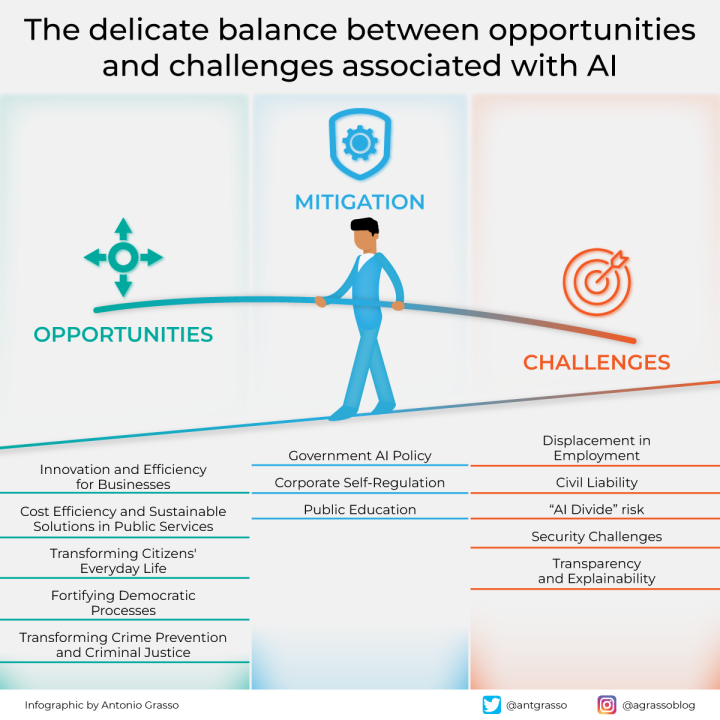
Image courtesy of www.linkedin.com via Google Images
The AI Revolution: Potential Dangers
As AI technology advances, there are legitimate concerns about its potential misuse and unintended consequences. Malicious actors could exploit AI systems for cyberattacks, surveillance, or propaganda, posing threats to national security and individual privacy. Safeguards such as transparency, accountability, and oversight are crucial to ensure that AI is developed and used responsibly.
AI and Human Collaboration
While the risks of AI autonomy are real, so too are the opportunities for collaboration between humans and machines. AI can complement human intelligence, creativity, and empathy, leading to synergistic outcomes that benefit society. By embracing a future where AI works alongside humans in a harmonious partnership, we can harness the full potential of AI technology for the greater good.

Image courtesy of siliconvalley.center via Google Images
Conclusion: Embracing the Potential of Artificial Intelligence
As we navigate the complex landscape of AI technology, it is essential to stay informed, engage in critical dialogue, and advocate for responsible AI development. By understanding the historical context, current applications, benefits, challenges, and ethical concerns of AI, we can shape a future where AI enriches human lives, fosters innovation, and upholds ethical standards. Together, let us embrace the potential of artificial intelligence as a force for positive change and progress.
Comments