

Delve into the mysterious origins of artificial intelligence and discover the remarkable journey of its evolution through the years.

Table of Contents
Introduction to AI
Artificial Intelligence, or AI, is a rapidly advancing field that aims to replicate human-like intelligence in machines. This technology has become an integral part of modern society, impacting various aspects of our lives. From chatbots and virtual assistants to self-driving cars and medical diagnostics, AI is revolutionizing the way we live, work, and interact with technology.
Historical Context
AI has a rich history dating back to the 1950s when researchers first began exploring the concept of simulating human intelligence in machines. Over the years, AI has undergone significant advancements, with key milestones such as the development of expert systems, neural networks, and deep learning algorithms. These breakthroughs have paved the way for the sophisticated AI systems we see today.
Current Applications
Today, AI is being used across various industries to streamline processes, improve decision-making, and enhance user experiences. In healthcare, AI-powered tools are being used to diagnose diseases, predict patient outcomes, and personalize treatment plans. In finance, AI algorithms are analyzing data to detect fraudulent activities and make investment decisions. The transportation industry is also leveraging AI for autonomous vehicles and traffic management.
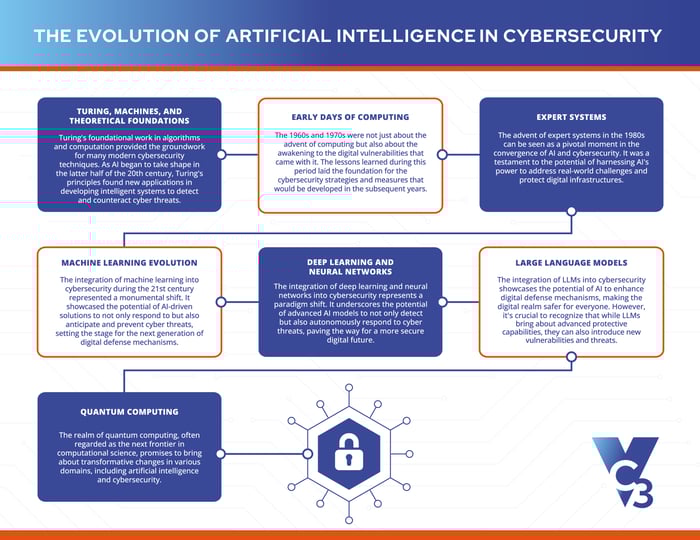
Image courtesy of www.vc3.com via Google Images
Benefits of AI
The benefits of AI are immense, ranging from increased efficiency and productivity to enhanced accuracy and scalability. AI systems can process vast amounts of data in real-time, enabling organizations to make informed decisions faster. By automating repetitive tasks, AI frees up human resources to focus on more complex and strategic tasks. Additionally, AI can lead to breakthroughs in scientific research, healthcare outcomes, and environmental sustainability.
Challenges and Ethical Concerns
Despite its many advantages, AI also presents challenges and ethical concerns that need to be addressed. One of the main challenges is the potential impact of AI on jobs, as automation could lead to job displacement in certain industries. There are also concerns about bias in AI algorithms, privacy issues related to data collection and surveillance, and the ethical implications of AI decision-making in critical areas such as healthcare and criminal justice.

Image courtesy of www.analyticsinsight.net via Google Images
Future Direction of AI
The future of AI is extremely promising, with continued advancements in machine learning, natural language processing, and robotics. AI is expected to play a significant role in shaping the future of transportation, healthcare, education, and many other fields. As AI technologies become more sophisticated and accessible, we can expect to see new applications and opportunities for innovation emerge.
Can Something Like Skynet Happen?
The idea of a dystopian AI takeover, as portrayed in movies like “The Terminator,” raises questions about the potential risks of advanced artificial intelligence. While the scenario of a malevolent superintelligence like Skynet taking over the world is more science fiction than reality, it is crucial to address the ethical and safety considerations of AI development. By implementing proper safeguards and regulations, we can mitigate the risk of such catastrophic events.
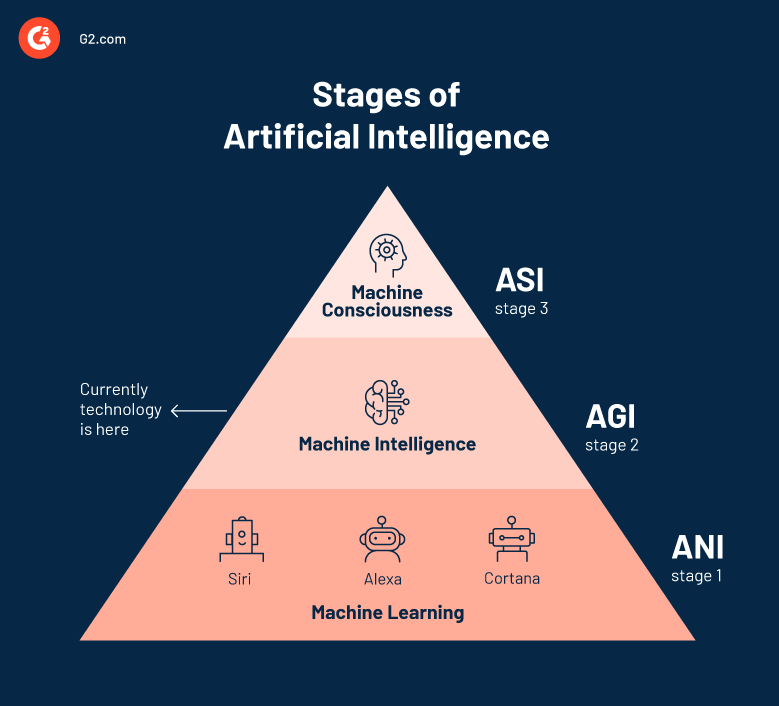
Image courtesy of www.g2.com via Google Images
Exploring AI in Science Fiction
AI has long been a popular theme in science fiction literature and film, reflecting society’s fascination and fears about the potential of artificial intelligence. From Isaac Asimov’s laws of robotics to the rebellious AI in “2001: A Space Odyssey,” these portrayals offer intriguing insights into the human-AI relationship and the ethical dilemmas that come with AI advancements. Exploring these fictional narratives can deepen our understanding of AI’s possibilities and pitfalls.
Interview with AI Experts
Speaking with experts in the field of artificial intelligence provides valuable insights into the latest trends, challenges, and opportunities in AI research and development. These experts offer valuable perspectives on the ethical considerations, technological breakthroughs, and future directions of AI. By learning from their expertise, we can gain a better understanding of the potential impact of AI on society and how we can navigate the evolving landscape of artificial intelligence.

Image courtesy of www.infotech.com via Google Images
Interactive AI Tutorials
Engaging in hands-on tutorials and interactive projects allows readers to explore AI concepts and tools firsthand. By providing practical demonstrations and step-by-step guides, readers can learn about machine learning, neural networks, and other AI techniques in an engaging and accessible way. These tutorials encourage active participation and experimentation with AI technology, fostering a deeper understanding and appreciation for the power of artificial intelligence.
Conclusion
As we delve into the world of artificial intelligence, it becomes clear that AI is a transformative technology with the potential to reshape our world in profound ways. By understanding the history, current applications, benefits, challenges, and ethical concerns of AI, we can better appreciate the opportunities and risks associated with this rapidly evolving field. By staying informed and engaged with the latest developments in AI, we can navigate the future of artificial intelligence with awareness and responsibility.
Generated by Texta.ai Blog Automation
Comments