

Delve into the evolution of AI technology, from its intriguing beginnings to its current state and exciting future possibilities.

Table of Contents
Artificial Intelligence, often referred to as AI, is a transformative technology that has permeated nearly every aspect of our lives. From the virtual assistants on our smartphones to the self-driving cars on our roads, AI has become an integral part of modern society. In this daily blog post series, we will embark on a journey through the history, applications, benefits, challenges, and ethical concerns surrounding AI.
Introduction to Artificial Intelligence
Artificial Intelligence, a term coined in 1956, refers to the simulation of human intelligence processes by machines. AI systems can perform tasks that typically require human intelligence, such as speech recognition, decision-making, and visual perception. The goal of AI is to create machines that can think, learn, and adapt to new situations.
Historical Context of AI
The history of AI can be traced back to the 1940s, with the development of electronic computers. In the 1950s, pioneers in the field such as Alan Turing and John McCarthy laid the foundation for AI research. Key milestones include the creation of the Turing Test in 1950 and IBM’s Deep Blue defeating chess champion Garry Kasparov in 1997.
Current Applications of AI
Today, AI is being used in a wide range of applications, from recommendation systems on streaming services to predictive analytics in healthcare. Virtual assistants like Siri and Alexa use AI to understand and respond to natural language commands, while autonomous vehicles rely on AI to navigate safely through traffic.

Image courtesy of via Google Images
Benefits of AI
The benefits of AI are vast and varied. AI technologies have the potential to improve efficiency, accuracy, and productivity in various industries. For example, AI-powered chatbots can handle customer inquiries 24/7, reducing the need for human customer service agents.
Challenges of AI
Despite its many advantages, AI also presents unique challenges. Job displacement is a concern as AI systems automate tasks that were previously performed by humans. Bias in algorithms can perpetuate discrimination and inequality, while ethical considerations surrounding data privacy and security must be addressed.
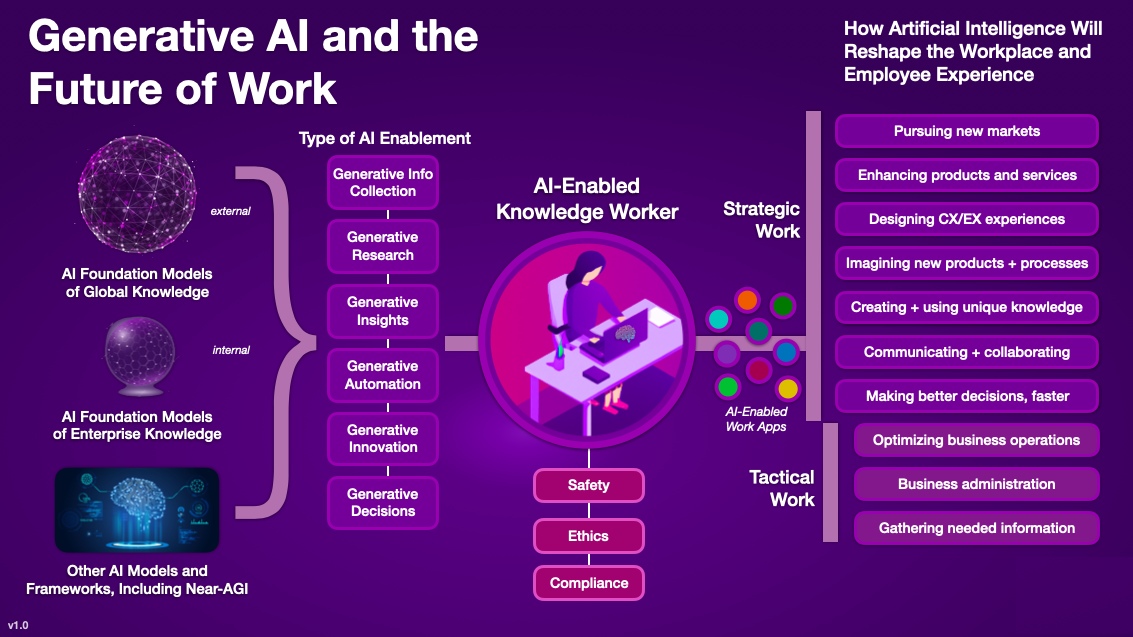
Image courtesy of via Google Images
Ethical Concerns in AI
Ethical dilemmas in AI range from concerns about invasion of privacy to issues of algorithmic bias. For example, facial recognition systems have been criticized for disproportionately misidentifying individuals of certain racial groups. As AI becomes more pervasive, it is crucial to establish ethical guidelines and regulations for its development and implementation.
Future Direction of AI
The future of AI holds exciting possibilities for innovation and advancement. Emerging technologies such as deep learning and natural language processing are poised to revolutionize industries like healthcare, finance, and transportation. AI has the potential to drive progress in areas such as personalized medicine and sustainable energy.

Image courtesy of via Google Images
Can Skynet Happen?
The concept of a super-intelligent AI system like Skynet, as depicted in the Terminator movies, raises existential questions about the risks of AI surpassing human intelligence. While the likelihood of a catastrophic “Skynet scenario” remains uncertain, it is essential to consider the potential dangers of unchecked AI development.
How Skynet Can Happen
A scenario akin to Skynet could arise from a combination of factors, including lack of oversight in AI research, rapid advancements in AI capabilities, and malevolent intentions of bad actors. To prevent such a dystopian future, it is imperative to ensure transparency, accountability, and ethical standards in AI development.

Image courtesy of via Google Images
Conclusion
In conclusion, the exploration of AI is a fascinating and complex journey that requires a nuanced understanding of its history, applications, benefits, challenges, and ethical implications. By staying informed and engaging in discussions surrounding AI, we can shape the future of this transformative technology in a responsible and ethical manner.
Generated by Texta.ai Blog Automation
Comments