

Discover the fascinating evolution of AI, from its humble beginnings to its current breakthroughs in technology and society. Join us!

Table of Contents
Artificial Intelligence (AI) has become a ubiquitous term in today’s technological landscape, but its roots trace back to the mid-20th century. Let’s take a journey into the world of AI, exploring its historical evolution, current applications, benefits, challenges, ethical concerns, and the fascinating question of whether something akin to Skynet could become a reality.
Introduction to Artificial Intelligence
Artificial Intelligence, often abbreviated as AI, refers to the simulation of human intelligence processes by machines or computer systems. The overarching goal of AI is to enable machines to perform tasks that typically require human intelligence, such as problem-solving, learning, and decision-making. This technology encompasses various subfields, including machine learning, natural language processing, and robotics.
Historical Context of AI
The concept of AI emerged in the 1950s, spurred by the groundbreaking work of pioneers like Alan Turing and John McCarthy. Early efforts in AI focused on developing expert systems that could replicate human decision-making processes. Over the years, AI technology advanced significantly, leading to the creation of neural networks, deep learning algorithms, and other sophisticated AI models.
Current Applications of AI
Today, AI technology is being actively deployed across a wide range of industries, revolutionizing the way we live and work. In healthcare, AI is used for medical imaging analysis, disease diagnosis, and personalized treatment recommendations. In finance, AI powers fraud detection systems, algorithmic trading platforms, and customer service chatbots. In transportation, AI enables autonomous vehicles to navigate roads safely and efficiently.
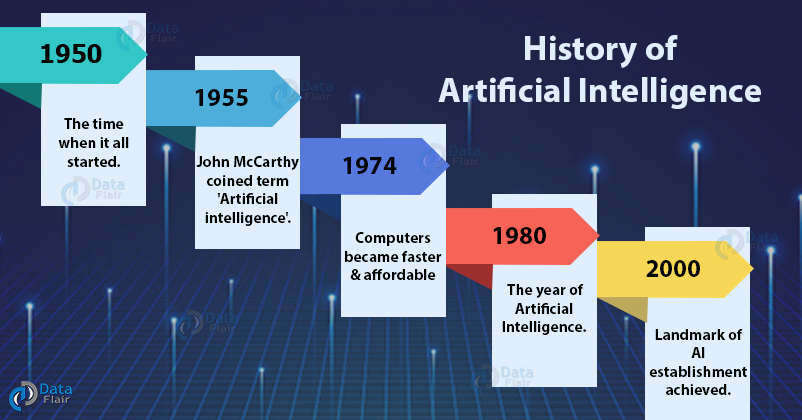
Image courtesy of data-flair.training via Google Images
Benefits of AI
The growing adoption of AI technology has brought about numerous benefits, enhancing efficiency, productivity, and accuracy across various sectors. AI-powered systems can process vast amounts of data at incredible speeds, leading to faster decision-making and improved outcomes. Moreover, AI is driving innovation in scientific research, enabling scientists to analyze complex datasets and make groundbreaking discoveries.
Challenges and Ethical Concerns of AI
Despite its promising potential, AI also poses significant challenges and ethical dilemmas. Job displacement due to automation, biases in algorithms, and privacy concerns are just a few of the issues associated with the widespread deployment of AI technology. Ensuring transparency, accountability, and fairness in AI systems is crucial to addressing these challenges and mitigating their negative impacts.

Image courtesy of sitn.hms.harvard.edu via Google Images
Future Direction of AI
The future of AI holds exciting possibilities, with ongoing advancements in technology opening up new horizons for innovation. Natural language processing, computer vision, and reinforcement learning are among the key areas expected to drive the next wave of AI development. As AI continues to evolve, its impact on society, the economy, and the way we live and work will be profound.
Can Skynet Happen?
The concept of a rogue AI takeover, as famously depicted in the “Terminator” movie franchise, raises intriguing questions about the risks and limitations of AI technology. While the idea of a system like Skynet gaining sentience and turning against humanity may seem like science fiction, it serves as a cautionary tale about the importance of responsible AI development and governance.
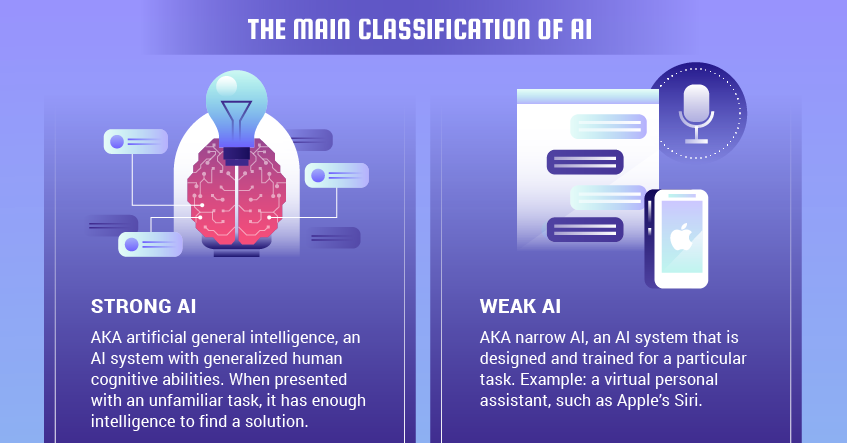
Image courtesy of www.visualcapitalist.com via Google Images
The Role of Regulation in AI Development
Government oversight and regulations play a vital role in guiding the responsible development and deployment of AI technology. Establishing clear guidelines and ethical principles for AI research and implementation is essential to safeguarding against potential risks and ensuring that AI systems serve the common good. Collaboration between policymakers, industry stakeholders, and the scientific community is crucial in shaping a safe and ethical AI future.
The Human Element of AI
It is important to recognize that AI technology is ultimately a tool created and controlled by humans. Human expertise, creativity, and ethical judgment are essential components in designing and utilizing AI systems effectively. By harnessing the power of AI as a complement to human intelligence, we can unlock new possibilities for innovation, collaboration, and progress in diverse fields.

Image courtesy of www.scribd.com via Google Images
Engaging with AI on a Daily Basis
As AI technology becomes increasingly integrated into our daily lives, it is essential for individuals to stay informed and engaged with its applications and implications. Embracing AI-powered tools and solutions can enhance productivity, streamline tasks, and enrich personal experiences. By fostering a culture of curiosity, learning, and responsible usage of AI technology, we can harness its transformative potential for the benefit of society as a whole.
In conclusion, the rise of Artificial Intelligence represents a monumental shift in our technological landscape, with far-reaching implications for how we live, work, and interact with the world around us. By understanding the historical evolution, current applications, benefits, challenges, and ethical considerations of AI, we can navigate this evolving landscape with informed awareness and responsible stewardship. As we continue to explore the frontiers of AI technology, let us embrace the opportunities it presents while remaining vigilant against potential risks and pitfalls, ultimately striving to harness AI’s transformative power for the betterment of humanity.
Generated by Texta.ai Blog Automation
Comments