

Discover the fascinating journey of artificial intelligence, tracing its progression from Turing’s groundbreaking work to the cutting-edge developments of today.

Table of Contents
Artificial Intelligence, or AI, is a rapidly evolving field that has captured the interest and imagination of people around the world. In this blog series, we will explore the world of AI from its inception to its current applications, benefits, challenges, and ethical concerns. We will delve into the historical context of AI, discuss its current uses, and examine the potential future direction of AI technology. One question that often arises in discussions about AI is the possibility of a scenario like Skynet from the Terminator movies taking place. We will explore this topic in depth and discuss how we can prevent such an outcome.
Introduction to AI
Artificial Intelligence refers to the development of smart machines that can perform tasks typically requiring human intelligence, such as learning, problem-solving, and decision-making. AI technology has advanced significantly in recent years, leading to the creation of virtual assistants like Siri and Alexa, self-driving cars, and sophisticated recommendation systems.
Historical Context of AI
The concept of artificial intelligence dates back to the 1950s, with the pioneering work of Alan Turing and others in the field of computer science. Over the decades, researchers have made significant advancements in AI technology, culminating in the creation of powerful AI systems like IBM’s Deep Blue, which defeated chess grandmaster Garry Kasparov in 1997.
Current Applications of AI
AI technology is used in a wide range of industries and applications, from healthcare and finance to entertainment and transportation. For example, AI-powered medical diagnosis tools can help doctors identify diseases and recommend treatment options, while self-driving cars use AI algorithms to navigate roads and avoid accidents.

Image courtesy of digitalwellbeing.org via Google Images
Benefits of AI
The benefits of AI technology are vast and impactful. AI systems can analyze massive amounts of data quickly and accurately, leading to improved decision-making and efficiency in various industries. Additionally, AI has the potential to revolutionize the way we work, communicate, and interact with technology.
Challenges and Ethical Concerns
Despite its many benefits, AI technology also presents challenges and ethical concerns. Issues such as job displacement, algorithmic bias, and privacy violations have raised questions about the ethical implications of AI. It is crucial for researchers and policymakers to address these concerns to ensure that AI technology is used responsibly and ethically.
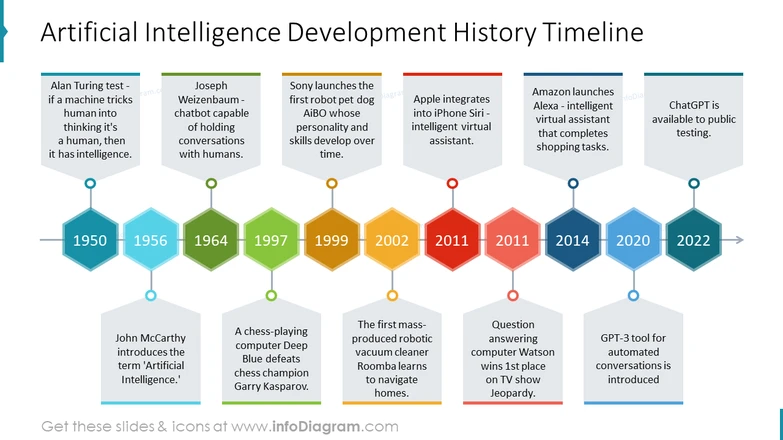
Image courtesy of www.infodiagram.com via Google Images
Future Direction of AI
The future of AI technology is promising, with ongoing research and advancements in areas such as deep learning, reinforcement learning, and neural networks. As AI technologies continue to evolve, we can expect to see new applications and innovations that will shape the way we live and work in the years to come.
Can Skynet Happen?
One of the most common fears surrounding AI technology is the possibility of a scenario like Skynet from the Terminator movies coming to fruition. While the idea of a superintelligent AI system taking over the world may seem like science fiction, it is essential to consider the risks and implications of developing AI technology without proper safeguards in place.

Image courtesy of trends.e-strategyblog.com via Google Images
Preventing a Skynet Scenario
To prevent a scenario like Skynet from happening, it is crucial to implement safeguards, regulations, and ethical guidelines that prioritize the safety and well-being of society. Researchers and policymakers must collaborate to ensure that AI technology is developed responsibly and ethically, with a focus on transparency, accountability, and human-centered design.
Public Perception of AI
Public perception of AI technology plays a significant role in shaping its future development and implementation. Educating the public about the benefits and risks of AI, addressing misconceptions, and engaging with the AI community can help foster a better understanding of AI technology and its impact on society.

Image courtesy of www.reddit.com via Google Images
Engaging with the AI Community
Getting involved in the AI community can be a valuable way to stay informed about the latest developments in AI technology, network with experts in the field, and contribute to the ongoing conversation about AI ethics and responsible development. By engaging with the AI community, we can work together to shape a future where AI technology benefits society while minimizing risks and ethical concerns.
In conclusion, Artificial Intelligence is a powerful and transformative technology with the potential to shape the future of our world. By understanding the history, current applications, benefits, challenges, and ethical concerns of AI, we can work together to ensure that AI technology is developed and used responsibly for the betterment of society. While the prospect of a Skynet-like scenario may sound like science fiction, it is essential to approach the development of AI technology with caution, foresight, and a commitment to ethical principles.
Generated by Texta.ai Blog Automation
Comments