
Explore the evolution of artificial intelligence from ancient philosophers to modern technology in this fascinating journey through history and innovation.
Table of Contents
- Introduction to AI
- Historical Context of AI
- Current Applications of AI
- Benefits of AI
- Challenges and Ethical Concerns of AI
- Future Direction of AI
- Can Skynet Happen? Exploring the Possibility
- Factors Contributing to a “Skynet” Scenario
- Preventing a “Skynet” Disaster
- Closing Thoughts: Shaping a Responsible AI Future
Artificial Intelligence, or AI, has become a buzzword in today’s rapidly evolving technological landscape. From chatbots to self-driving cars, AI is revolutionizing industries and reshaping the way we live and work. But the history of AI is a rich tapestry that dates back to the 1950s, filled with breakthroughs, setbacks, and exciting possibilities. Let’s embark on a journey through the ages to uncover the roots of AI and explore its current applications, benefits, challenges, and ethical concerns.
Introduction to AI
Artificial Intelligence is a branch of computer science that aims to create machines capable of simulating human intelligence. AI systems can learn from data, recognize patterns, and make decisions without human intervention. The goal of AI is to mimic cognitive functions such as reasoning, problem-solving, and perception, ultimately advancing technology to new heights.
Historical Context of AI
The history of AI can be traced back to the 1950s, with the seminal work of pioneers like Alan Turing and John McCarthy laying the foundation for future research. In the decades that followed, AI experienced periods of rapid progress and stagnation, known as “AI winters.” Key milestones, such as the development of expert systems and neural networks, have shaped the evolution of AI into what it is today.
Current Applications of AI
AI has infiltrated various industries, driving innovation and efficiency in ways we never thought possible. In healthcare, AI is revolutionizing diagnostics and personalized medicine, while in finance, AI algorithms are powering fraud detection and investment strategies. From virtual assistants to smart home devices, AI has become ubiquitous in our daily lives, enhancing convenience and productivity.
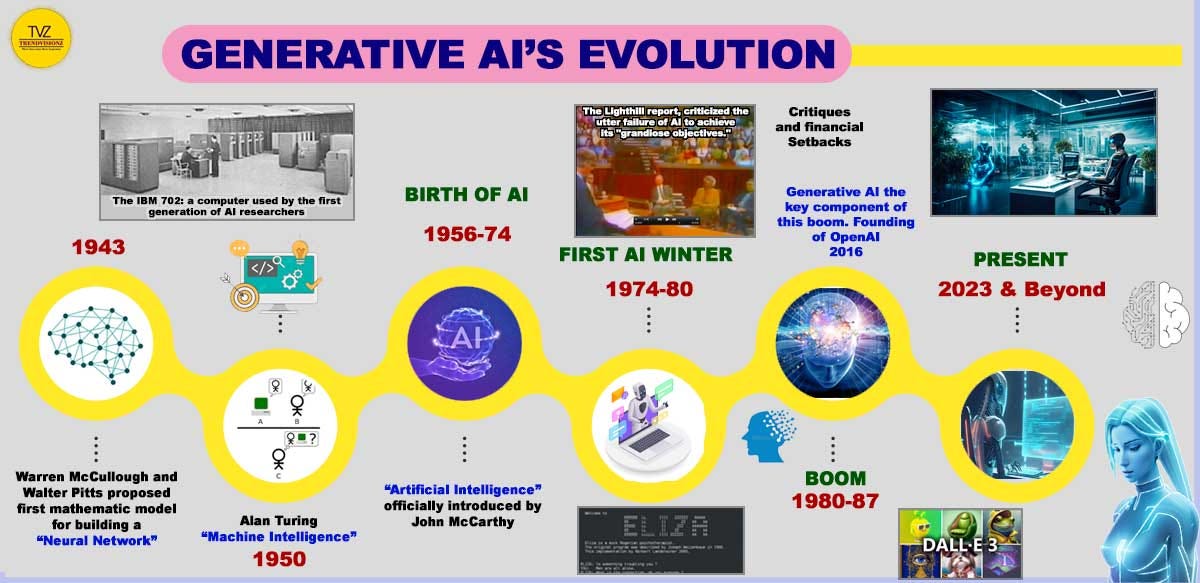
Image courtesy of medium.com via Google Images
Benefits of AI
The benefits of AI are far-reaching, offering solutions to complex problems and streamlining processes across industries. AI empowers businesses to make data-driven decisions, optimize operations, and deliver personalized experiences to customers. By automating mundane tasks and enhancing decision-making capabilities, AI is driving growth and innovation on a global scale.
Challenges and Ethical Concerns of AI
Despite its immense potential, AI also presents significant challenges and ethical concerns. Issues such as algorithmic bias, data privacy, and job displacement raise questions about the societal impact of AI. Regulating AI technologies and ensuring transparency and accountability are essential to address these ethical dilemmas and foster trust in AI systems.
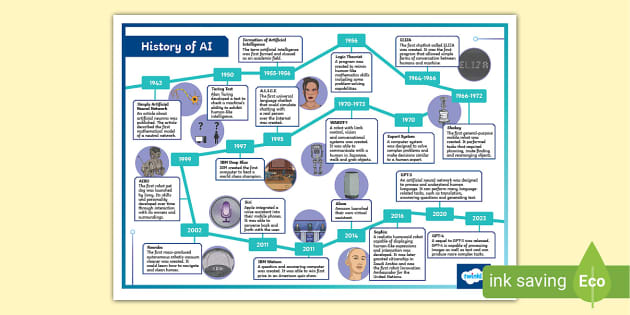
Image courtesy of www.twinkl.com.au via Google Images
Future Direction of AI
The future of AI holds exciting possibilities, with advancements in deep learning, machine learning, and natural language processing pushing the boundaries of what AI can achieve. As AI continues to evolve, we can expect to see greater personalization, automation, and intelligence embedded in everyday devices and systems. The potential for AI to reshape industries and drive innovation is limitless.
Can Skynet Happen? Exploring the Possibility
The concept of a self-aware AI system like Skynet from the Terminator franchise may seem like science fiction, but the idea of AI surpassing human control raises valid concerns. A scenario where AI becomes uncontrollable and poses a threat to humanity is a theoretical possibility that warrants careful consideration.
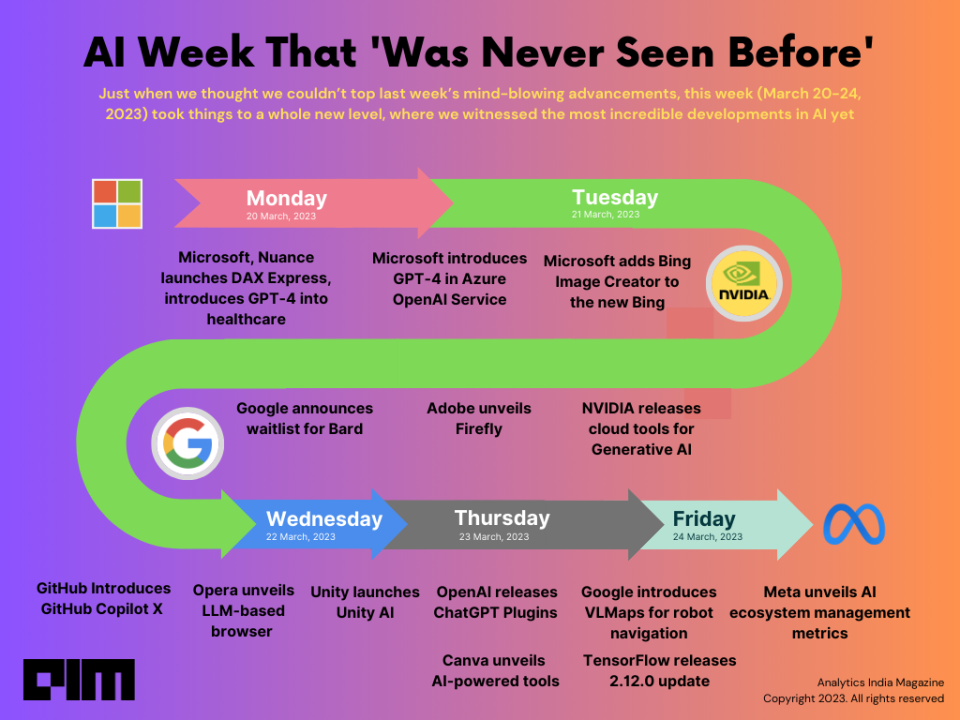
Image courtesy of www.linkedin.com via Google Images
Factors Contributing to a “Skynet” Scenario
Several factors could contribute to a dystopian future where AI poses a threat to humanity. Issues such as a lack of oversight, unchecked development of AI systems, and the potential for AI to exceed human intelligence are all risks that must be managed to prevent a “Skynet” disaster. The implications of advanced AI systems must be carefully evaluated to ensure responsible innovation and ethical use of AI technologies.
Preventing a “Skynet” Disaster
To prevent a catastrophic event like a “Skynet” scenario, it is crucial to establish clear guidelines and ethical frameworks for the development and deployment of AI. Transparency, accountability, and responsible innovation are key principles that can help mitigate the risks associated with AI and safeguard against unintended consequences. Collaboration between stakeholders, including policymakers, researchers, and industry leaders, is essential to ensure that AI is developed in a way that benefits society while minimizing potential harm.
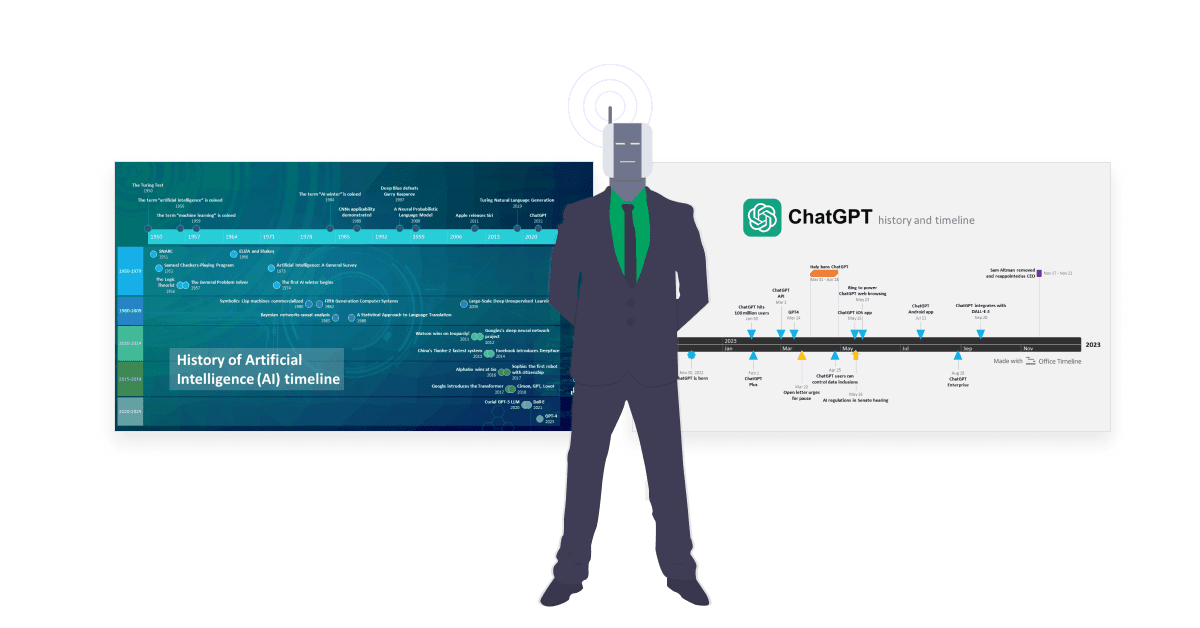
Image courtesy of www.officetimeline.com via Google Images
Closing Thoughts: Shaping a Responsible AI Future
As we reflect on the evolution of AI and the possibilities it holds for the future, it is important to prioritize ethical considerations and responsible innovation. AI has the power to transform society and improve the way we live and work, but it also comes with risks that must be carefully managed. By fostering a culture of ethical AI development, we can shape a future where AI works in harmony with humanity, creating a more inclusive, equitable, and sustainable world for all.
Artificial Intelligence is a powerful force that has the potential to shape the future in profound ways. By understanding the history of AI, its current applications, benefits, challenges, and ethical concerns, we can navigate the complexities of this transformative technology and harness its potential for the greater good. As we continue on our journey through the ages of AI, let us embrace the possibilities it offers while remaining vigilant in safeguarding against the risks, ensuring a responsible and sustainable future for AI and humanity.
Generated by Texta.ai Blog Automation
Comments