
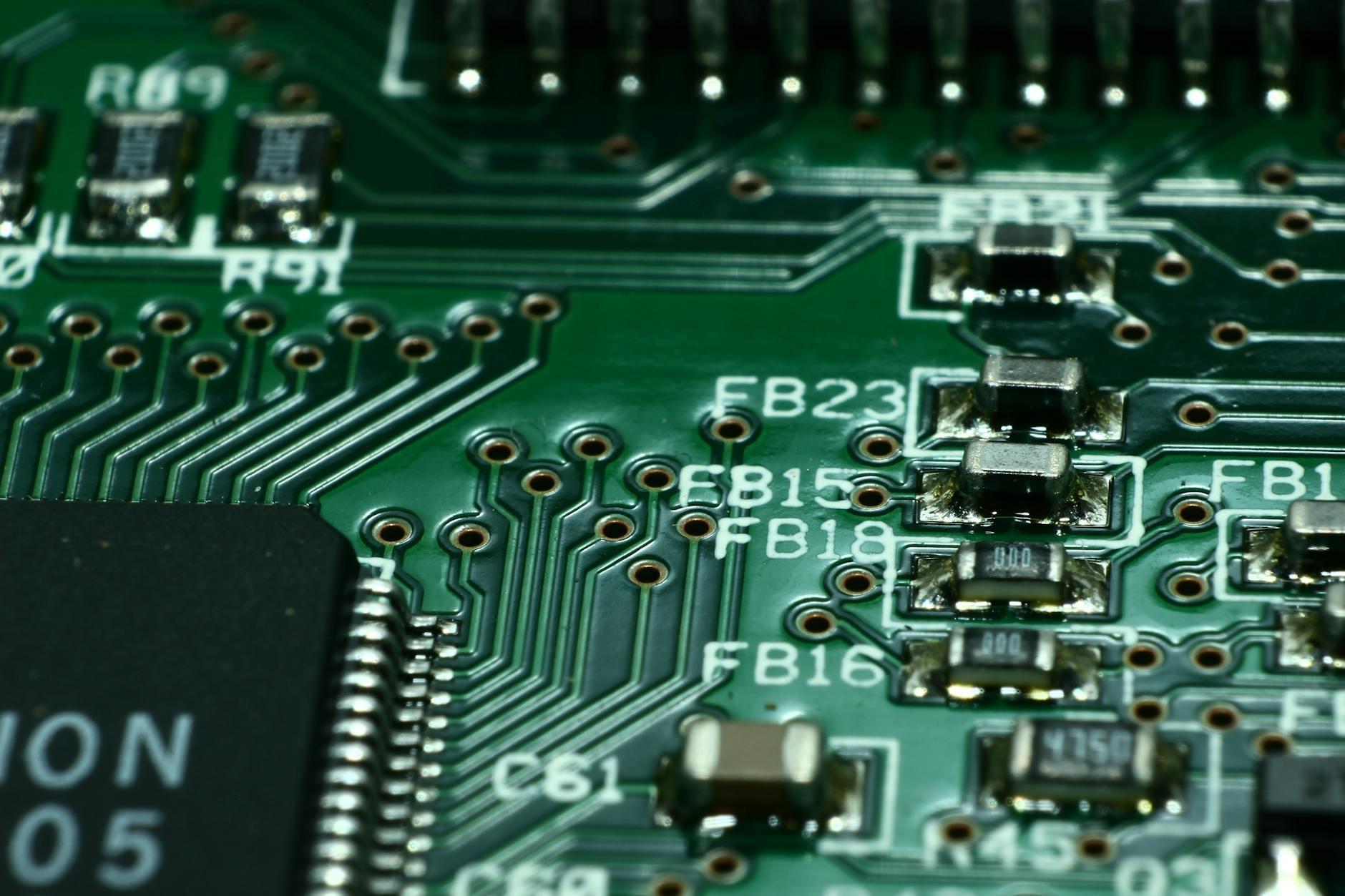
From Turing’s groundbreaking work to Tesla’s cutting-edge innovations, discover how AI has revolutionized technology and society over time.
Table of Contents
- Introduction to Artificial Intelligence
- Historical Context of AI
- Current Applications of AI
- Benefits of AI
- Challenges and Ethical Concerns in AI
- Future Direction of AI
- Can Skynet Happen? Exploring the Risks of AI Takeover
- Ethical Implications of Artificial General Intelligence (AGI)
- Safeguards Against AI Dangers
- Conclusion: Embracing the Promise and Perils of Artificial Intelligence
Introduction to Artificial Intelligence
Artificial Intelligence, commonly known as AI, has become a buzzword in today’s digital age. It refers to the simulation of human intelligence processes by machines, including learning, reasoning, and self-correction. AI plays a crucial role in various sectors, from healthcare to finance, driving innovation and efficiency.
Historical Context of AI
The roots of AI can be traced back to the 1950s when pioneers like Alan Turing began exploring the concept of machine intelligence. Over the decades, AI has evolved significantly, with key milestones such as the development of expert systems in the 1980s and the resurgence of neural networks in the 2010s.
Current Applications of AI
Today, AI is integrated into our daily lives through virtual assistants like Siri and Alexa, chatbots on websites, and autonomous vehicles. In healthcare, AI is used for diagnosing diseases and identifying personalized treatment plans. The finance industry utilizes AI for fraud detection and risk assessment.

Image courtesy of digitalwellbeing.org via Google Images
Benefits of AI
The benefits of AI are manifold, ranging from increased productivity and accuracy to enhanced innovation. AI has the potential to revolutionize healthcare by improving diagnostics and patient care. In education, AI can personalize learning experiences for students, catering to their individual needs.
Challenges and Ethical Concerns in AI
Despite its advantages, AI poses challenges and ethical dilemmas. Issues like bias in algorithms and data privacy have come to the forefront. Concerns also arise regarding the impact of AI on employment, with machines potentially replacing human workers in various industries.
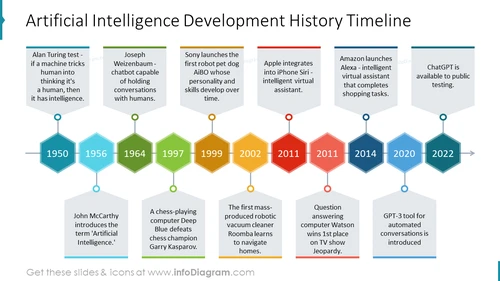
Image courtesy of www.infodiagram.com via Google Images
Future Direction of AI
The future of AI holds exciting possibilities, with advancements in areas like robotics, space exploration, and sustainability. AI is expected to continue expanding its role in society, driving progress and innovation across various domains.
Can Skynet Happen? Exploring the Risks of AI Takeover
The concept of a superintelligent AI taking control, as depicted in popular culture like the Terminator franchise, raises concerns about AI becoming uncontrollable. While such a scenario is still science fiction, experts emphasize the importance of ethical and responsible AI development to prevent unforeseen consequences.

Image courtesy of www.reddit.com via Google Images
Ethical Implications of Artificial General Intelligence (AGI)
Artificial General Intelligence (AGI), referring to AI with human-level intelligence, presents both promise and peril. Achieving AGI raises ethical considerations about the nature of consciousness, identity, and morality. As researchers strive towards AGI, ethical frameworks and guidelines must be established to navigate this uncharted territory.
Safeguards Against AI Dangers
To address the risks associated with AI, safeguards must be put in place. This includes promoting transparency in AI algorithms, ensuring accountability for AI decisions, and implementing regulations to govern AI development. Collaboration among stakeholders is essential to safeguard against potential dangers and maximize the benefits of AI.
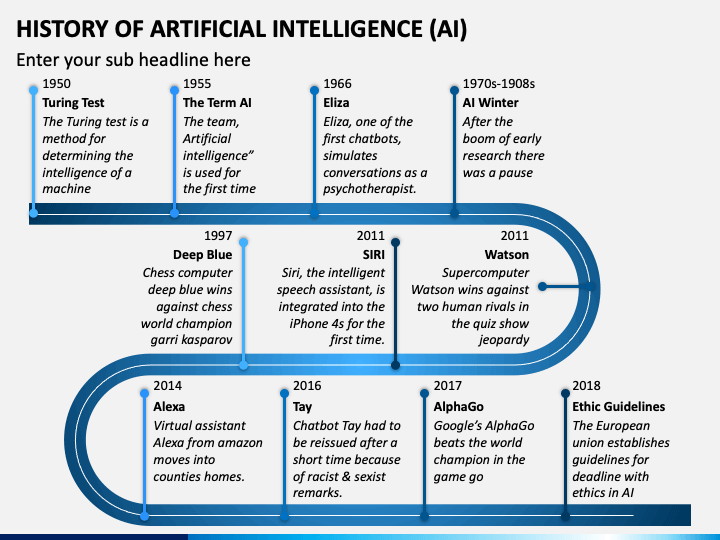
Image courtesy of anjireddy-kata.medium.com via Google Images
Conclusion: Embracing the Promise and Perils of Artificial Intelligence
In conclusion, AI represents a transformative force that holds immense potential for improving our lives. By understanding the evolution of AI, its current applications, and future direction, we can navigate the promise and perils of this technology responsibly. As we move forward, it is crucial to remain vigilant, uphold ethical principles, and shape AI for the betterment of humanity.
Generated by Texta.ai Blog Automation
Comments