
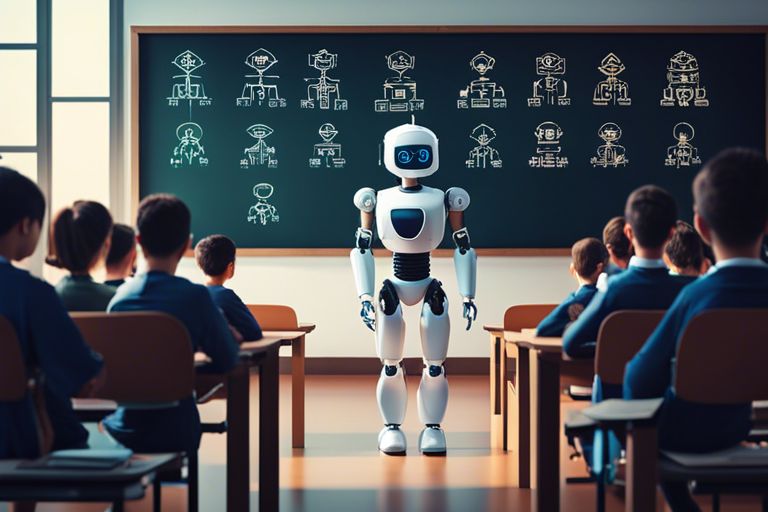
Education is constantly evolving, and one of the driving forces behind this evolution is Artificial Intelligence (AI). AI technology has been making significant impacts on the way we teach and learn, revolutionizing traditional educational practices. From personalized learning experiences to improved student engagement, AI is reshaping the landscape of education. In this blog post, we will explore five key ways AI is influencing education and learning, and how these advancements are shaping the future of teaching and knowledge acquisition.
Personalized Learning Experiences
Adaptive Learning Technologies
Personalized learning experiences are becoming increasingly prevalent in education due to the advancement of adaptive learning technologies. These technologies use artificial intelligence to analyze and understand how individual students learn, allowing educators to tailor their teaching methods to each student’s unique needs and learning pace. By providing customized content and exercises, adaptive learning technologies help students engage more effectively with the material and ultimately improve their academic performance.
Tailored Educational Pathways
With the integration of AI in education, tailored educational pathways have revolutionized the way students navigate their learning journey. This personalized approach allows students to follow a customized curriculum based on their academic strengths, weaknesses, and learning preferences. By offering personalized learning objectives, resources, and assessments, tailored educational pathways empower students to take ownership of their education and progress at a pace that suits them best.
Learning with tailored educational pathways not only enhances academic outcomes but also boosts student motivation and engagement by making the learning experience more relevant and meaningful to each individual student’s goals and aspirations.
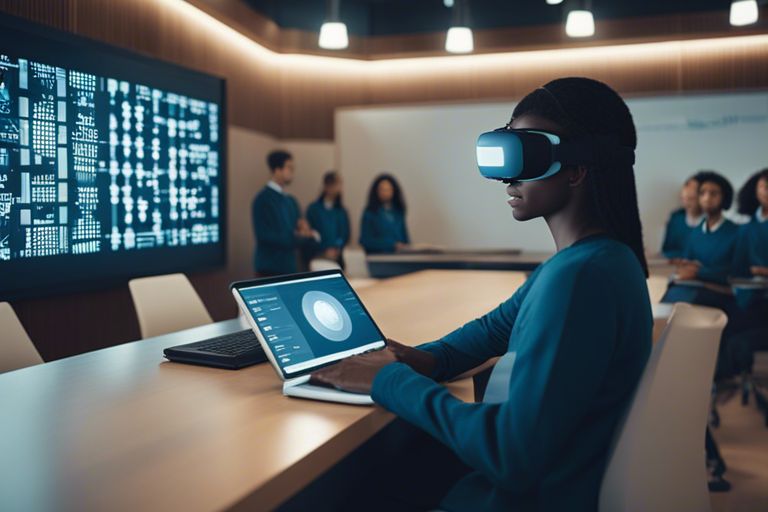
Automation of Administrative Tasks
Automating Grading and Feedback
On educational platforms, AI is revolutionizing the way assessments are graded and feedback is provided to students. With advanced algorithms and machine learning capabilities, AI can quickly evaluate multiple-choice, short answer, and even essay questions. It not only saves valuable time for educators but also offers instant feedback to learners, helping them understand their strengths and areas for improvement.
Streamlining Administrative Operations
The implementation of AI in educational institutions has greatly streamlined administrative operations. This includes managing student records, scheduling classes, and handling financial tasks. The use of AI-powered systems reduces the margin of error, enhances data security, and ensures smoother operations overall. It frees up valuable time for administrators to focus on strategic planning and student support initiatives.
Tasks such as admissions processing, enrollment management, and course registration can be automated with AI systems, allowing for a more efficient and accurate process. By leveraging AI for administrative tasks, educational institutions can enhance productivity, reduce costs, and improve the overall learning experience for students.
Enhancing Accessibility
Support for Diverse Learning Needs
Now, AI is playing a pivotal role in education by providing personalized support for students with diverse learning needs. Through AI-powered tools, educators can better understand the individual challenges and strengths of each student, enabling them to tailor teaching strategies accordingly. This level of customization fosters a more inclusive learning environment where every student can thrive.
Breaking Language and Access Barriers
Now, AI is breaking down language and access barriers in education, making learning more inclusive and accessible than ever before. By leveraging AI technology, language translation tools can provide real-time translations for students who speak different languages, ensuring they can fully participate in classes and discussions. Additionally, AI-powered assistive technologies can provide accommodations for students with disabilities, such as text-to-speech features for visually impaired students.
For instance, AI chatbots can help students communicate with teachers and classmates in their preferred language, eliminating language barriers that may hinder learning. This not only promotes diversity and inclusivity in the classroom but also helps students feel more supported and engaged in their learning experience.
Interactive Learning Environments
Virtual Reality and Simulations
Simulations in virtual reality have revolutionized the way students learn by providing immersive experiences that enhance understanding and retention of complex concepts. By simulating real-world scenarios in a safe environment, students can engage in hands-on learning experiences that were once only possible through costly field trips or experiments. Virtual reality simulations can transport students to different time periods, places, or even microscopic levels, providing a dynamic and interactive learning experience.
Gamification of Education
For those unfamiliar with gamification, it involves incorporating game-like elements such as points, rewards, and competition into the learning process to enhance motivation and engagement. It transforms traditional learning activities into interactive and enjoyable experiences, motivating students to progress and achieve goals. Gamification in education not only makes learning fun but also encourages collaboration, critical thinking, and problem-solving skills among students.
Data-Driven Insights and Analytics
Improving Learning Outcomes
With the help of AI and data analytics, educational institutions can track and analyze students’ performance in real-time. By collecting and processing data on a student’s learning progress, educators can identify areas where a student may be struggling and customize their learning experience to better suit their needs. This personalized approach can lead to improved learning outcomes and academic success.
Informed Decision Making in Education
Any institution that values quality education can benefit from AI-driven insights for informed decision-making. By utilizing data analytics, educators and administrators can assess the effectiveness of teaching methods, curriculum design, and resource allocation. This data-driven approach enables institutions to make strategic decisions that enhance the overall educational experience for students.
AI-powered tools can also help in predicting student performance and identifying at-risk students who may need additional support. By analyzing patterns in student data, educators can intervene early and provide targeted interventions to improve student outcomes. This proactive approach to decision-making can result in higher retention rates and overall student success.
To wrap up
With these considerations, it is evident that AI is reshaping the landscape of education and learning in profound ways. From personalized learning experiences to increased accessibility and efficiency in grading and assessment, the impact of AI on education is undeniable. As technology continues to advance, educators and learners alike can expect further integration of AI to enhance educational outcomes and provide new opportunities for growth and development. Embracing these changes and leveraging AI tools effectively will be crucial for staying competitive in the evolving educational landscape.
Comments